
7 Day Sailing Itinerary: Sicily’s Aeolian Islands
DAY 1: Portorosa
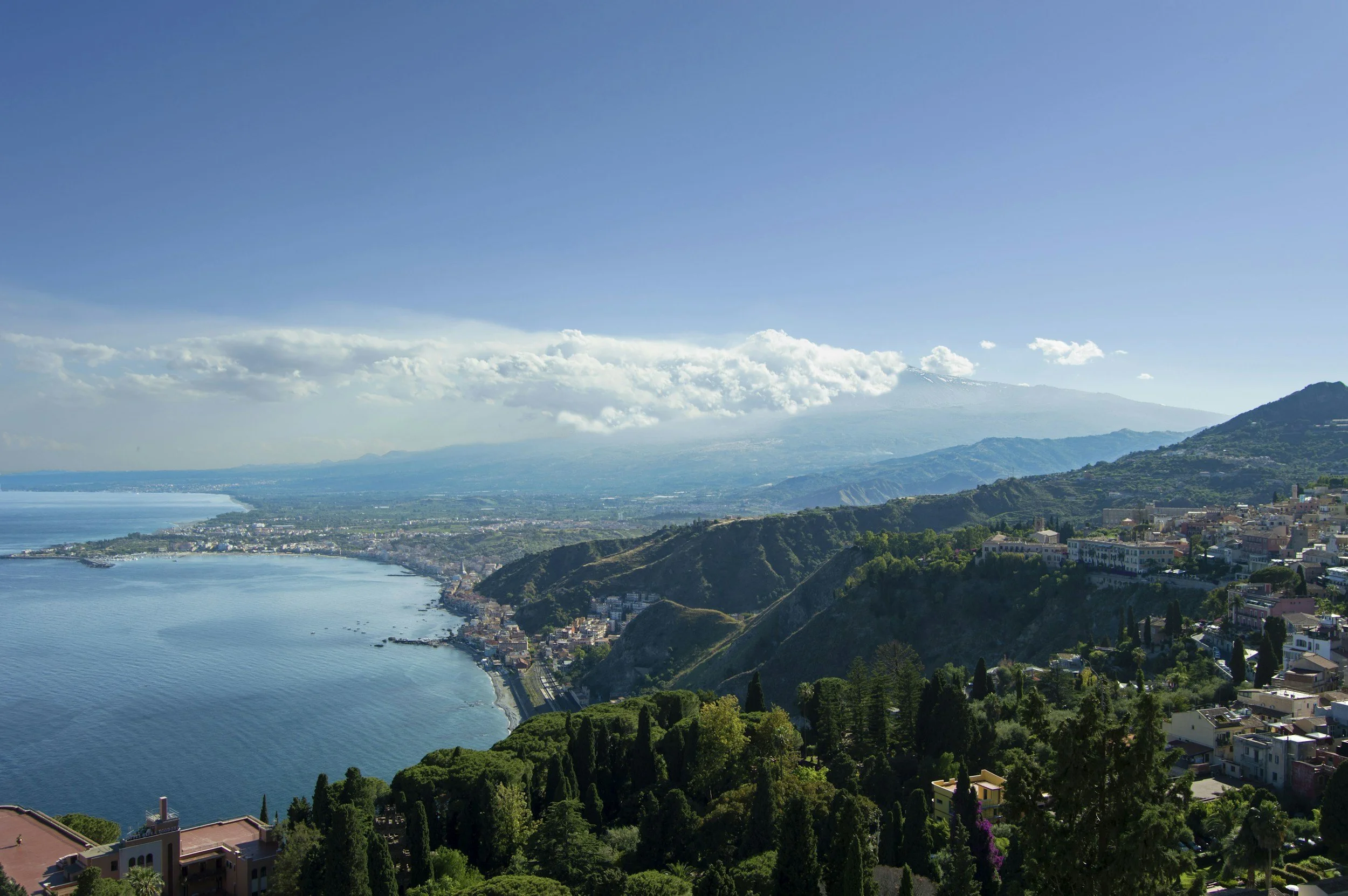
Your sailing holiday will begin either at Portorosa Marina, or Capo d’Orlando, both well-equipped marinas on the Sicilian coast and convenient starting points for exploring the Aeolian Islands. After boarding the yacht and completing the usual check-in formalities, take some time to settle in, familiarise yourself with the boat and organise your provisions for the week ahead. Both bases are substantial marina complexes, with shops, bars and restaurants, so there is no need to rush off before you are ready.
The marina itself has a distinctive layout, with yachts and motorboats moored along a network of canals between waterfront properties. It is a pleasant place to spend the first afternoon, whether you prefer to relax on board, enjoy a drink by the water or take a stroll around the harbour. There are also useful facilities for preparing for the week, including opportunities to stock up on food and other essentials.
If you have time before departure, the nearby Tindari area is worth considering. The Sanctuary of the Black Madonna sits on a prominent headland overlooking the coast, close to the archaeological remains of ancient Tyndaris and the distinctive Marinello lagoons below. It makes an interesting excursion if you arrive early, although you may prefer to keep the first day relaxed and enjoy the marina.
Spend the evening enjoying dinner at one of the local restaurants before returning to the yacht for your first night on board. With the Aeolian Islands waiting just offshore, there is plenty to look forward to as you begin your journey through one of Sicily's most remarkable sailing areas.
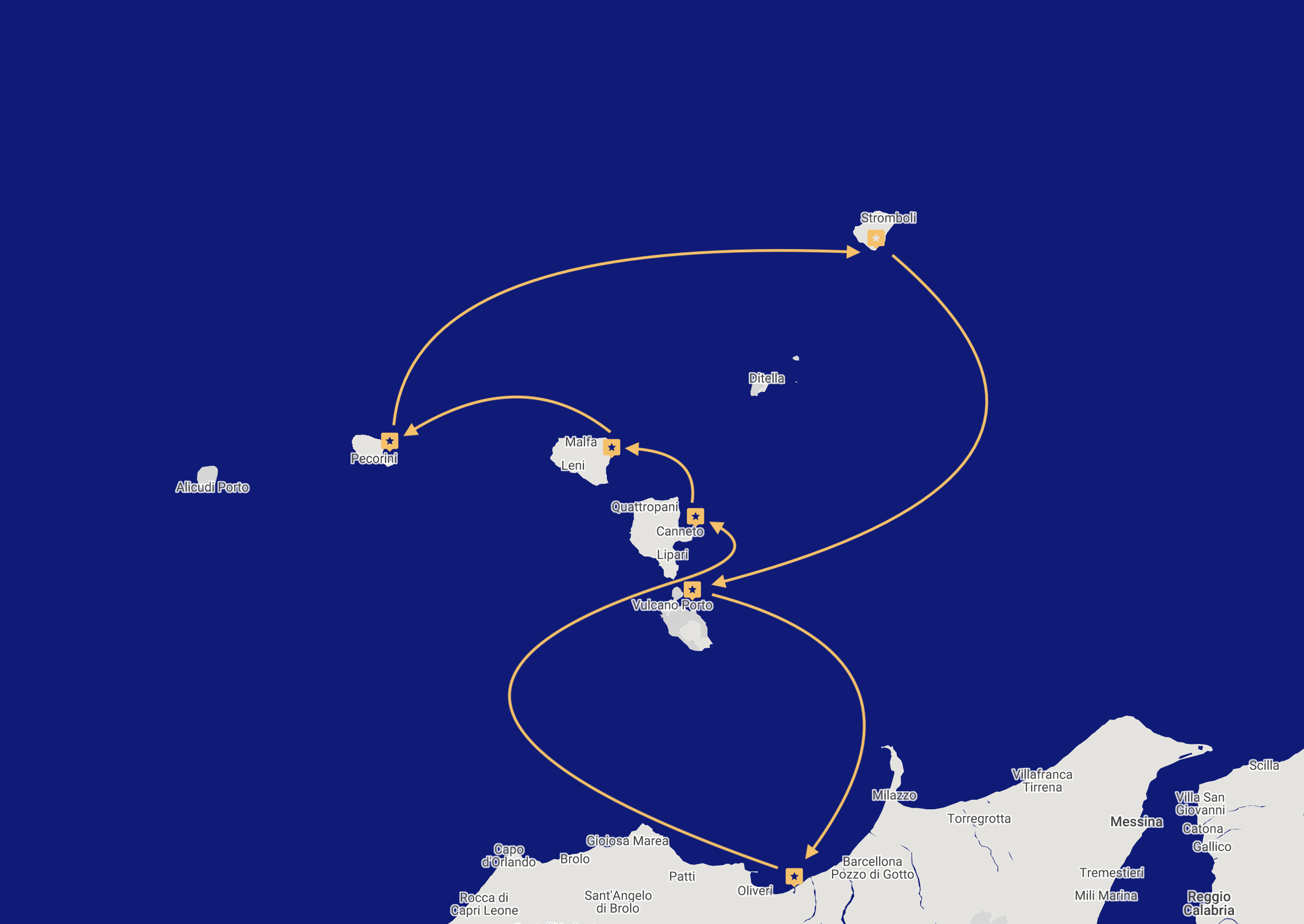
DAY 2: Portorosa to Lipari (23nm)
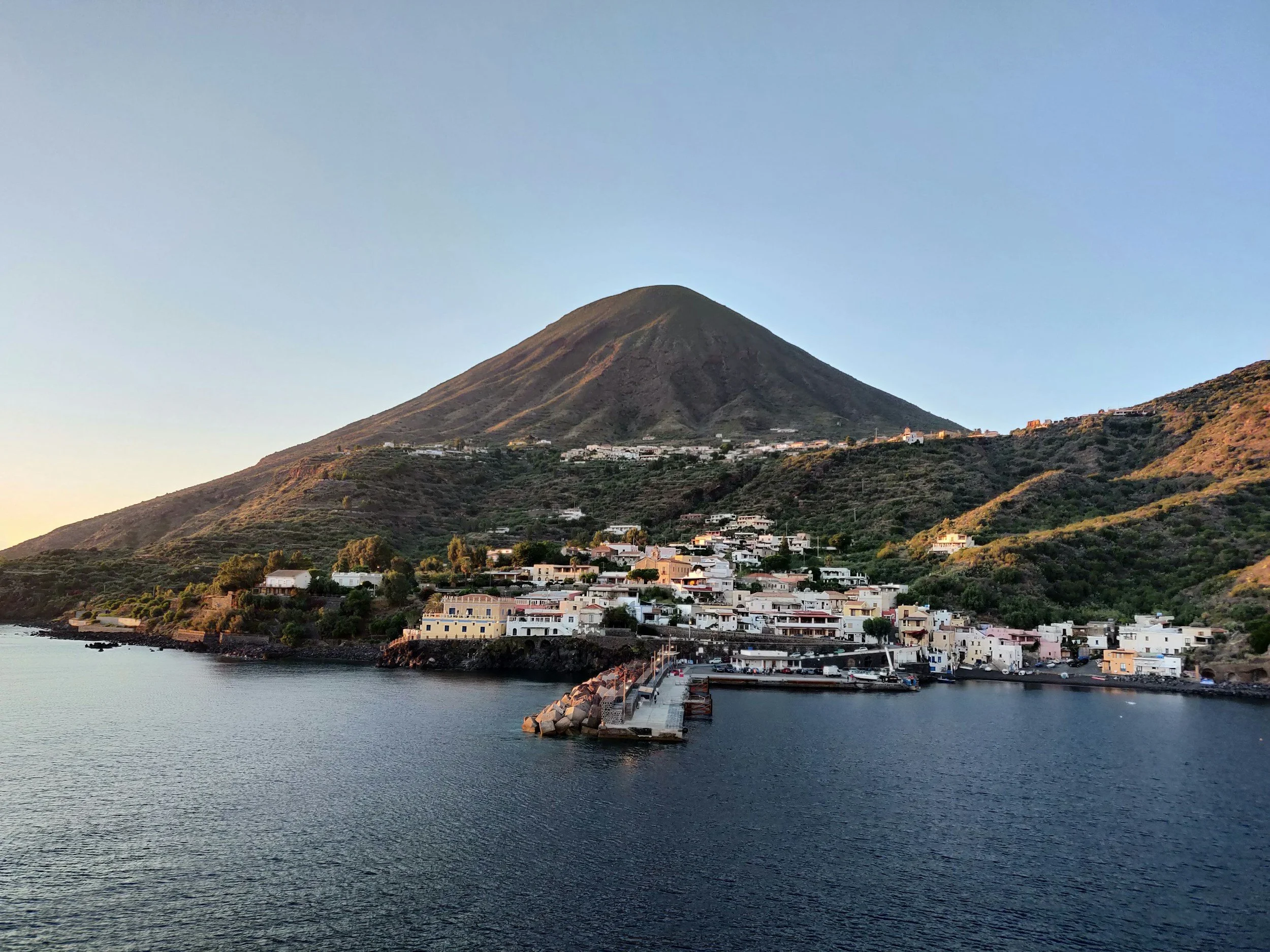
After breakfast, set sail for Lipari, the largest and most populated of the Aeolian Islands. This is a good first passage to settle into the rhythm of the week, with the volcanic outline of the archipelago gradually coming into view as you approach. Depending on conditions and your arrival time, there may be an opportunity to stop for a swim before heading into port.
Lipari has a lively and attractive harbour town, with a waterfront of pastel-coloured buildings, traditional cafés and restaurants. Once the yacht is moored, head ashore to explore the historic centre, where narrow streets lead towards Marina Corta, a picturesque little harbour surrounded by restaurants and colourful fishing boats. It is an excellent place to enjoy a coffee or a late lunch while watching life unfold around the waterfront.
One of the island's main attractions is the Archaeological Museum, housed within the historic Castello di Lipari. Its collections cover the long history of human settlement across the Aeolian Islands, including prehistoric artefacts, Greek and Roman finds and objects recovered from the surrounding seabed. The cathedral and its adjoining cloister are also worth visiting, while the streets around the old town are full of small shops selling local produce and traditional Sicilian treats.
If you have time to explore beyond the town, consider hiring a scooter or arranging a taxi tour of the island. Lipari has a varied coastline, with volcanic cliffs, small villages and viewpoints overlooking the neighbouring islands. The former pumice quarries near Canneto are particularly distinctive, with pale volcanic slopes contrasting against the deep blue sea. Return to the harbour for dinner and enjoy the lively atmosphere before continuing to Salina the following day.
DAY 3: Lipari to Salina (12nm)
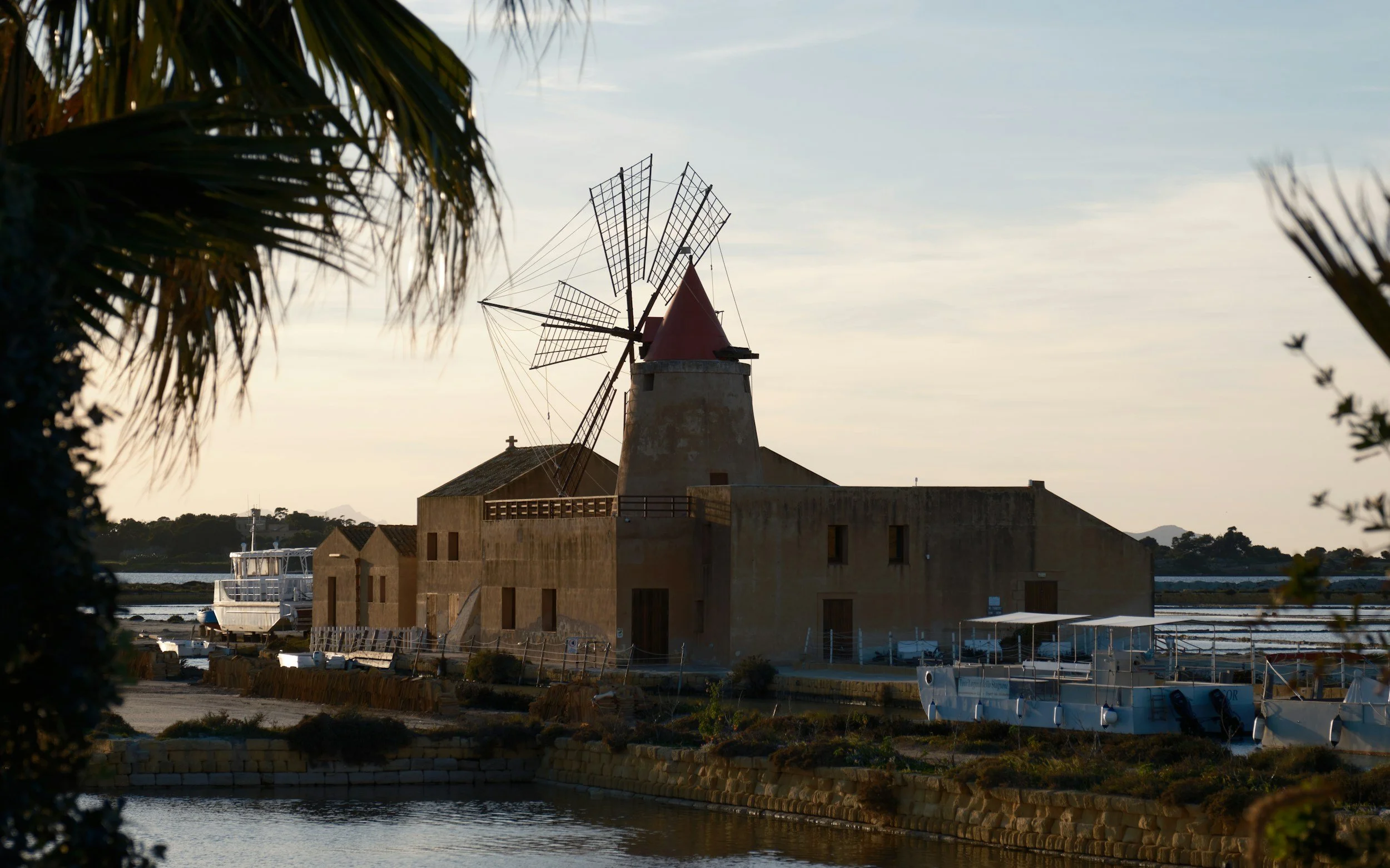
Today's passage to Salina is relatively short, allowing for a relaxed start and plenty of time to enjoy the water along the way. Salina is often regarded as one of the greenest and most attractive islands in the archipelago, with a landscape of fertile valleys, vineyards, caper plantations and wooded slopes. As you approach, its twin volcanic peaks create an impressive backdrop, quite different from the more rugged appearance of some of the neighbouring islands.
A convenient place to stop is Santa Marina Salina, the island's main harbour and one of its most pleasant settlements. Once moored, take a walk along the waterfront and explore the village's narrow streets, where traditional houses, small boutiques and cafés create a relaxed atmosphere. There are several restaurants close to the harbour, making it an easy place to enjoy lunch or dinner ashore.
Salina is particularly well known for its capers and Malvasia delle Lipari, a fragrant local dessert wine produced from grapes grown on the island. Both feature prominently in the local cuisine, and it is well worth trying some of the traditional dishes during your stay. A trip to Lingua, a small fishing village close to Santa Marina, is another worthwhile option. It is famous for its pane cunzato, a generous Sicilian bread topped with ingredients such as tomatoes, capers, olives and local cheese, as well as its excellent granita.
For a more extensive exploration, hire a scooter or arrange a taxi to visit the village of Malfa and the beautiful bay of Pollara. The latter is particularly striking, with steep volcanic cliffs forming a natural amphitheatre around the water. It is also one of the filming locations for the Italian film Il Postino. If you prefer to spend the afternoon on the water, the coastline offers several attractive swimming spots and secluded coves. Salina is an island best enjoyed at an unhurried pace, with good food and beautiful scenery never far away.
DAY 4: Salina to Filicudi (12nm)
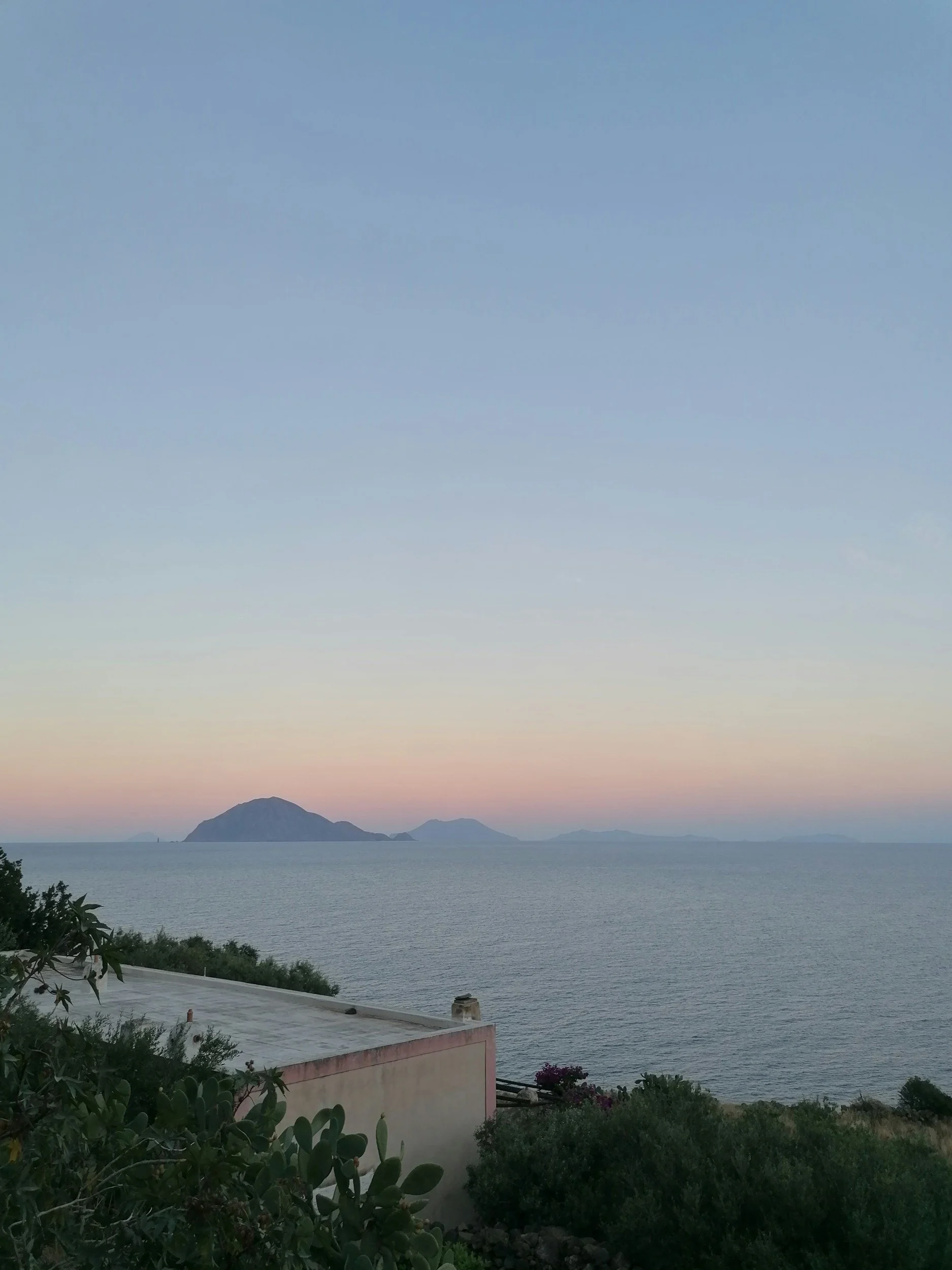
Leave Salina after breakfast and make the short passage to Filicudi, one of the quieter and less developed islands in the Aeolian group. Its rugged volcanic landscape, small settlements and relatively untouched coastline give it a particularly peaceful character. There is no shortage of places to enjoy a swim along the way, and the island's distinctive rock formations make the approach especially memorable.
Filicudi Porto is the island's main landing point, with a small harbour and a scattering of restaurants and local businesses. Once settled, head ashore to explore the nearby village or take a taxi to Pecorini a Mare, a picturesque fishing settlement with low houses, colourful boats and a black pebble beach. The waterfront has a handful of relaxed bars and restaurants, making it a lovely place to spend the afternoon and enjoy the slower pace of island life.
One of Filicudi's most celebrated attractions is the Grotta del Bue Marino, a large sea cave where sunlight creates striking reflections on the water. It is best explored by tender or local boat, depending on sea conditions. Nearby, the towering sea stack of La Canna rises dramatically from the water and is one of the island's most recognisable natural landmarks. The surrounding coastline is full of caves, arches and rocky outcrops, making it particularly appealing for swimming and snorkelling.
For those interested in history, the prehistoric settlement at Capo Graziano is well worth a visit. The remains of Bronze Age huts occupy a scenic position above the coastline and offer a glimpse into the island's early inhabitants. The walk involves some climbing, so allow time and take suitable footwear and water. Alternatively, enjoy a quieter afternoon around the harbour before settling in for dinner. Filicudi has relatively little nightlife, but its peaceful atmosphere and beautiful surroundings are precisely what make it special.
DAY 5: Filicudi to Stromboli (40nm)
Today is the longest passage of the itinerary, taking you across the Aeolian archipelago to Stromboli. An early departure is recommended, with breakfast on board before getting underway and lunch enjoyed during the passage. The distance makes this a substantial day of sailing, so allow plenty of time for the journey and aim to arrive with sufficient daylight to organise the yacht's mooring arrangements.
Stromboli is one of the most extraordinary islands in the Mediterranean, dominated by a steep volcanic cone that rises dramatically from the sea. It is one of the world's most persistently active volcanoes, with regular eruptions that have earned it the nickname Iddu among local residents. The island has a strikingly different atmosphere from the other Aeolian destinations, with dark volcanic sand, whitewashed houses and narrow pedestrian lanes winding through the small settlements.
The main village is San Vincenzo, where you will find a collection of cafés, restaurants and small shops close to the waterfront. Take a walk through the village and enjoy the contrast between its simple island architecture and the imposing volcano above. If time and conditions allow, organised guided excursions are available to explore the lower slopes and observe the volcanic activity from designated viewpoints. Access restrictions and permitted hiking heights can change according to the volcano's activity, so excursions should always be arranged through authorised local guides.
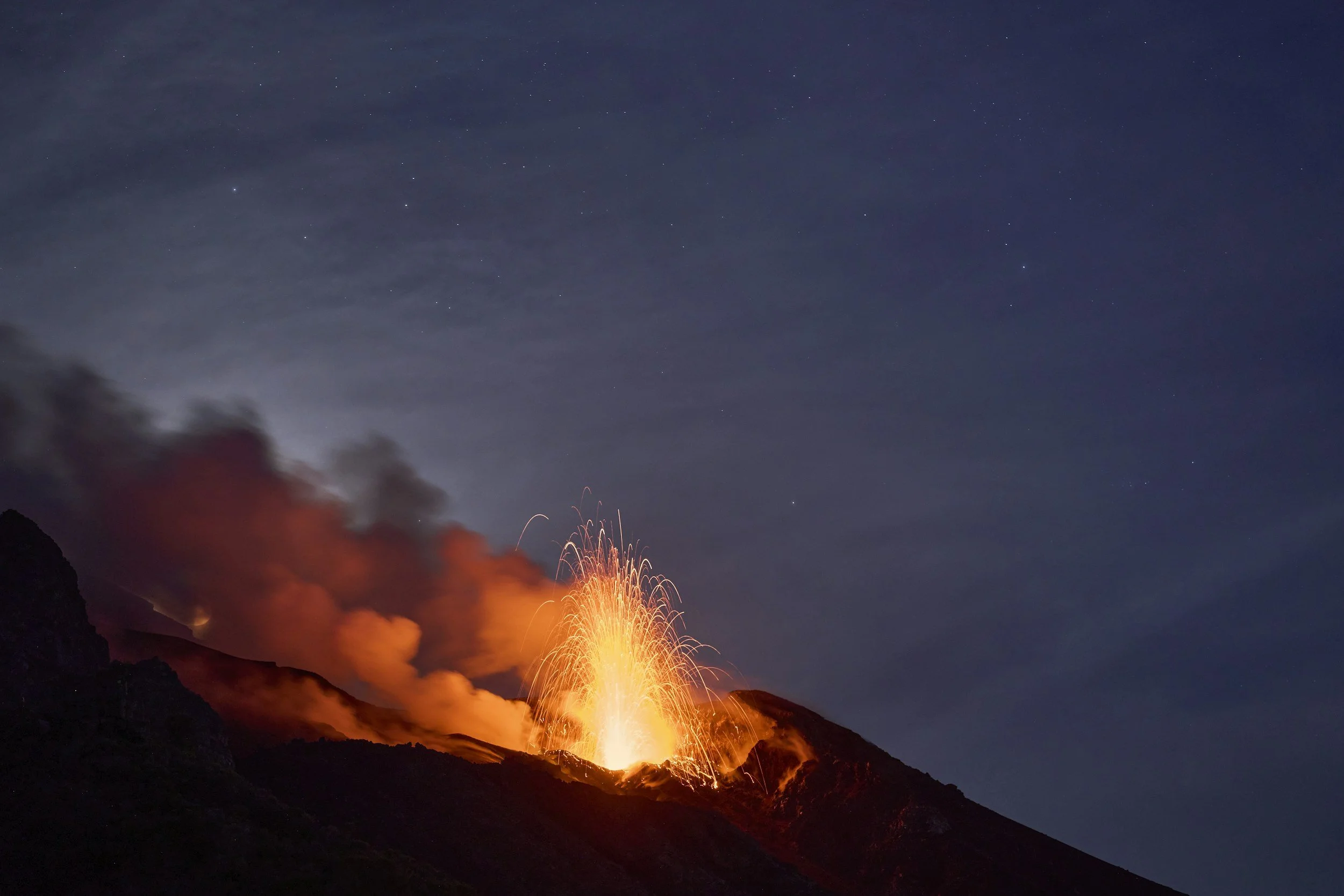
One of the most memorable experiences at Stromboli is watching the volcano after dark, when occasional bursts of glowing lava can be visible against the night sky. Boat trips may operate to view the Sciara del Fuoco, the steep volcanic slope where lava and volcanic debris descend towards the sea, although navigation and viewing areas are subject to official restrictions. For yachts, mooring arrangements should be organised in advance, as the island has limited facilities and the licensed buoy field near Ficogrande is a common option. After a long passage, enjoy dinner ashore or on board and take in the remarkable sight of Stromboli after sunset.
DAY 6: Stromboli to Vulcano Porto (25nm)
After an unforgettable night beneath Stromboli's volcanic peak, set sail for Vulcano. Today's passage is another enjoyable stretch of sailing, with time to have breakfast on board and take in the scenery as you leave Stromboli behind. Arriving at Vulcano Porto, you will find an island with a very different but equally distinctive volcanic landscape, characterised by dark sandy beaches, steaming fumaroles and rugged hillsides.
Vulcano Porto is the island's main settlement, with a small harbour, waterfront restaurants and shops clustered around the port. Once the yacht is settled, head ashore to explore the village and enjoy a walk along the waterfront. The island is famous for its volcanic activity, and the smell of sulphur is noticeable in certain areas around the harbour. It is an unusual introduction to Vulcano, but one that adds to the character of the place.
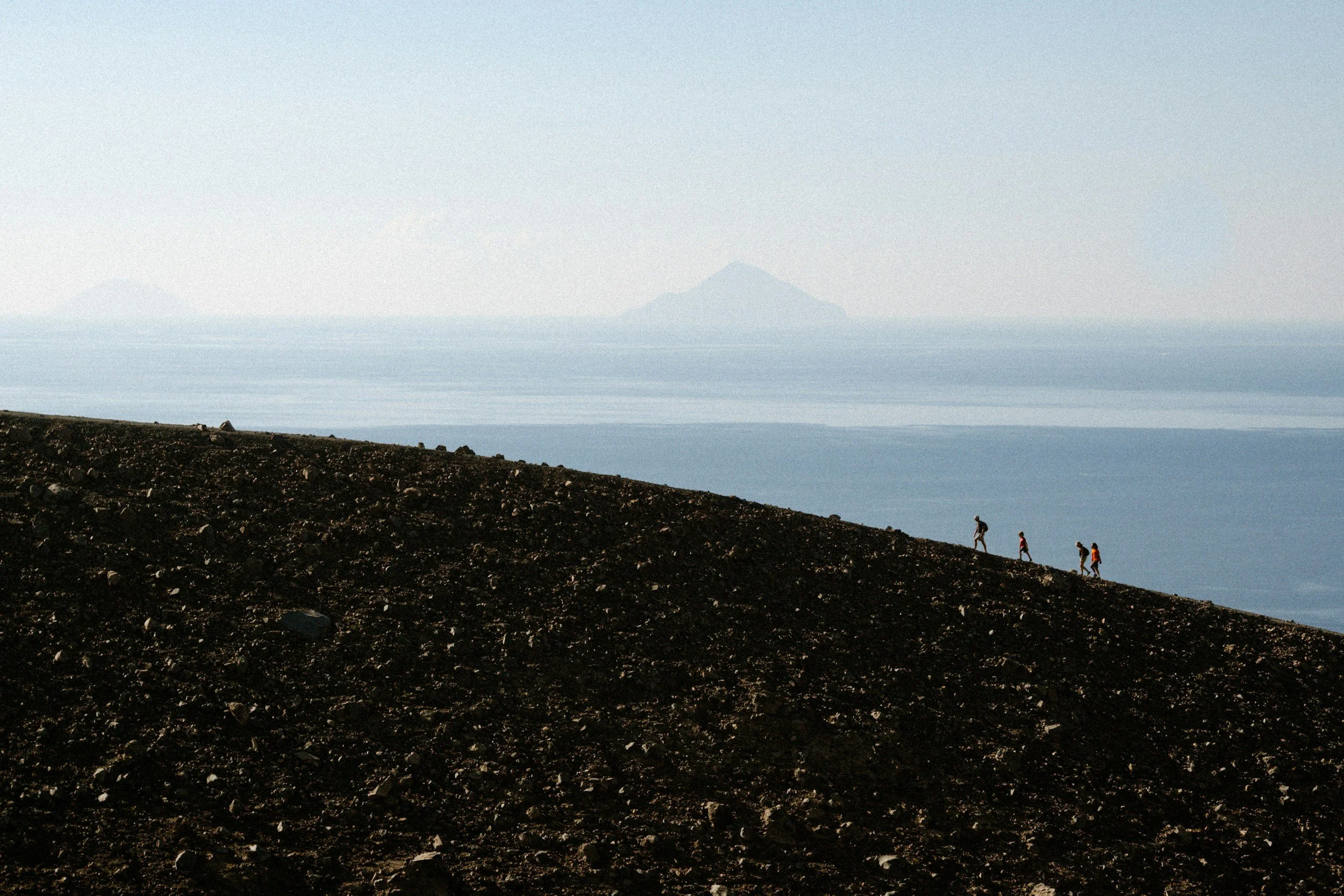
For those keen to explore on foot, the Gran Cratere della Fossa is the island's most famous attraction. The hike climbs towards the crater rim, where there are impressive views across Vulcano and the surrounding Aeolian Islands. The route is exposed, with little shade, so it is best tackled outside the hottest part of the day and with suitable footwear and plenty of water. Access is regulated according to volcanic and environmental conditions, so check the latest local guidance before setting out.
If you would rather spend the afternoon by the sea, Vulcano has several attractive beaches, including the dark volcanic sands of Spiaggia delle Acque Calde and Spiaggia delle Sabbie Nere. The coastline also features sea caves and interesting rock formations, which can be explored by tender or on a local boat trip when conditions permit. In the evening, choose one of the restaurants around the harbour and enjoy a final dinner ashore, making the most of the island's distinctive volcanic setting.
DAY 7: Vulcano to Portorosa (20nm)
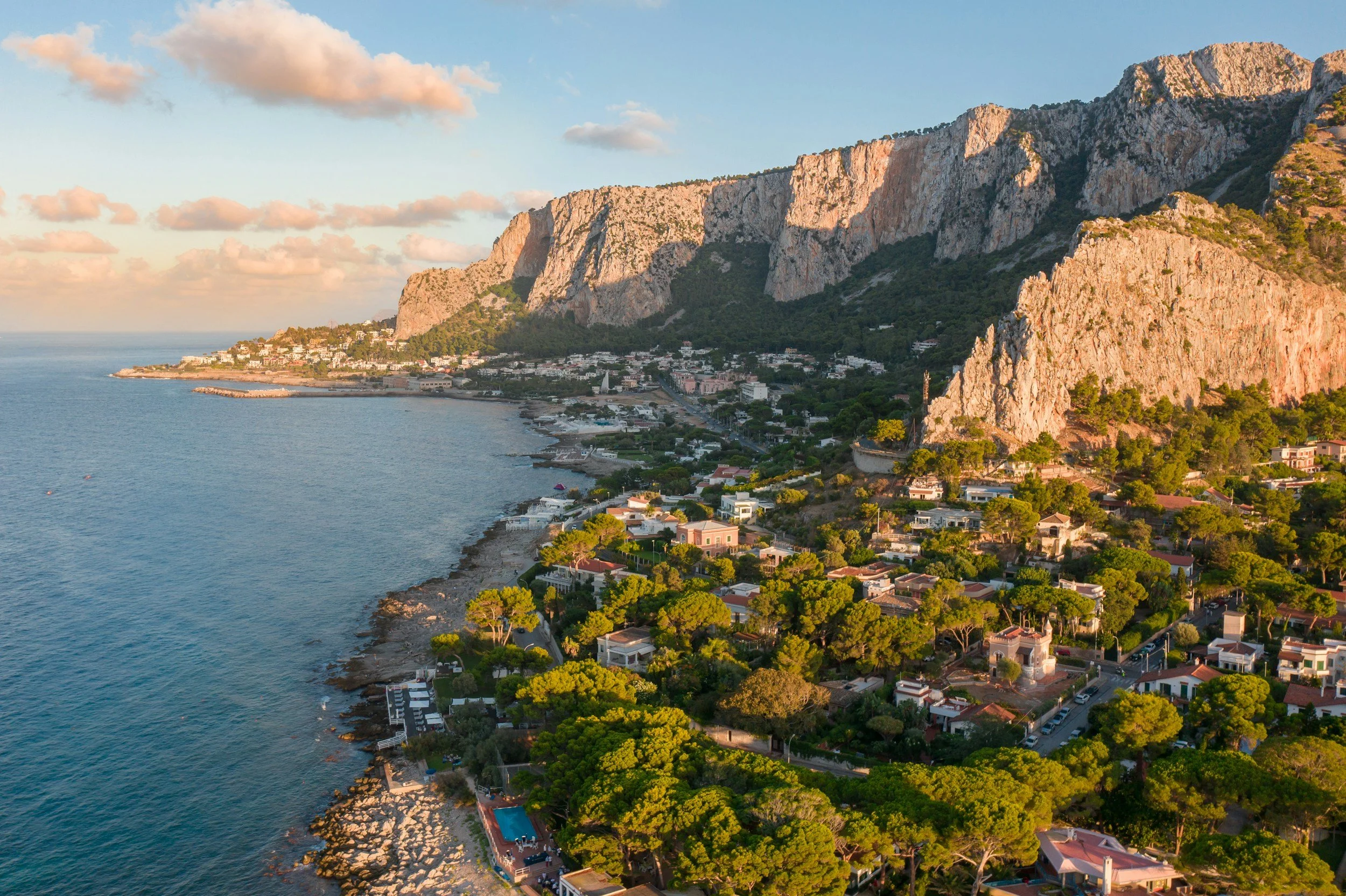
Enjoy a final breakfast on board before leaving Vulcano and making the passage back to Portorosa. The journey provides a last opportunity to appreciate the volcanic scenery of the Aeolian Islands, with the distinctive outlines of the archipelago gradually giving way to the Sicilian coastline. Depending on your departure time and return arrangements, there may be an opportunity for a final swim before heading back to the marina.
On arrival at Portorosa, allow time to settle the yacht and complete the necessary return formalities. The marina provides a convenient and well-equipped base, with restaurants, shops and facilities close at hand. If you have some time before disembarkation, it is a pleasant place to enjoy a final drink by the water and reflect on the week's sailing.
For those with a little longer before departing Sicily, the nearby coastline offers further opportunities to explore. The Marinello Nature Reserve, beneath the Tindari headland, is known for its shifting sandbanks and shallow coastal lagoons. The historic town of Milazzo is also worth a visit, with its impressive castle and old quarter overlooking the sea. Both make worthwhile additions if your travel arrangements allow.
Your week exploring Sicily's Aeolian Islands comes to an end having experienced a remarkable variety of landscapes and island life. From Lipari's historic streets and Salina's fertile countryside to the quiet beauty of Filicudi and the dramatic volcanic presence of Stromboli and Vulcano, this is a sailing itinerary defined by natural contrasts, excellent local food and some of the Mediterranean's most memorable scenery.