
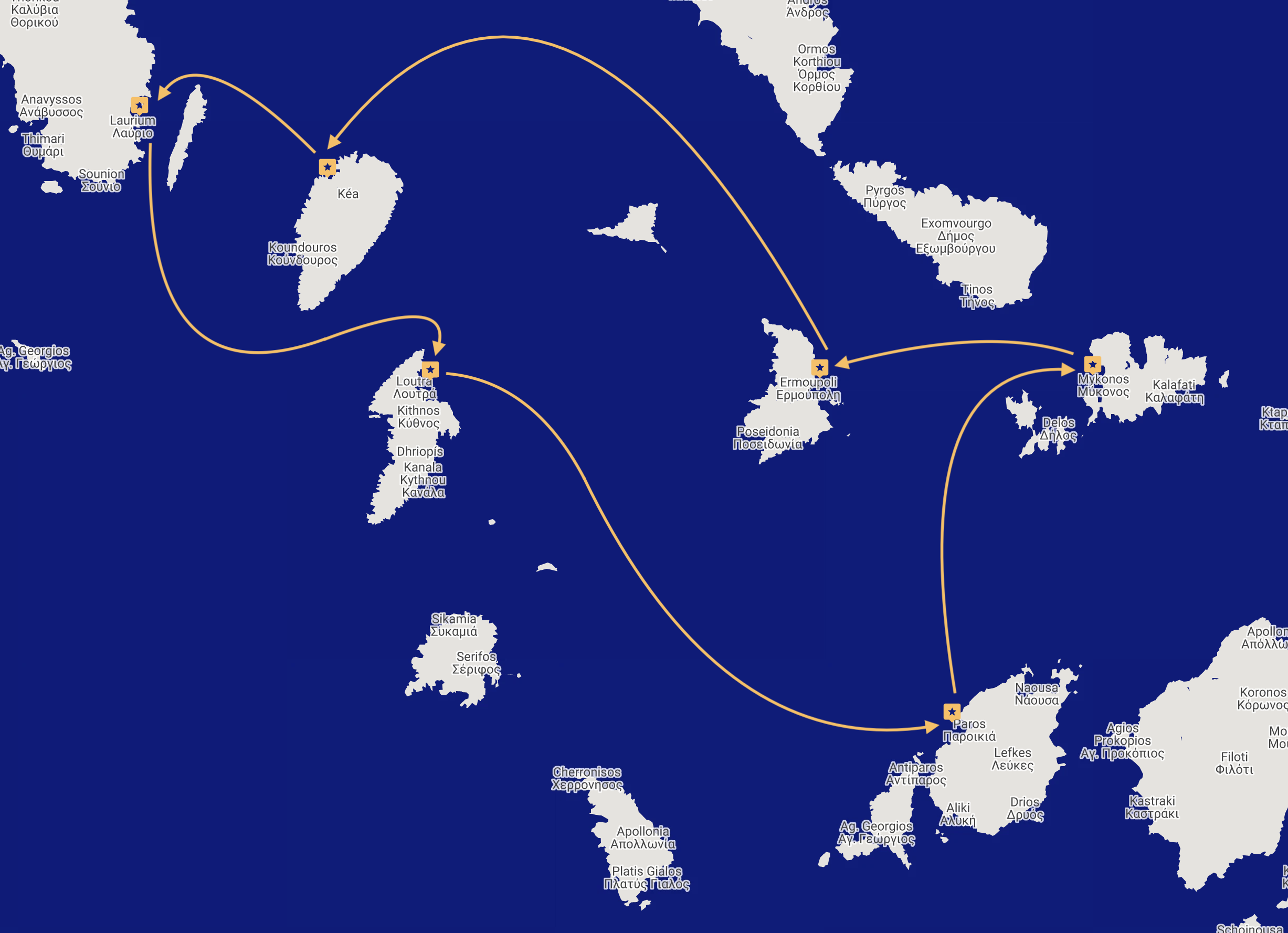
7 Day Sailing Itinerary: Lavrion to the Cyclades
DAY 1: Lavrion to Loutra, Kithnos (28nm)
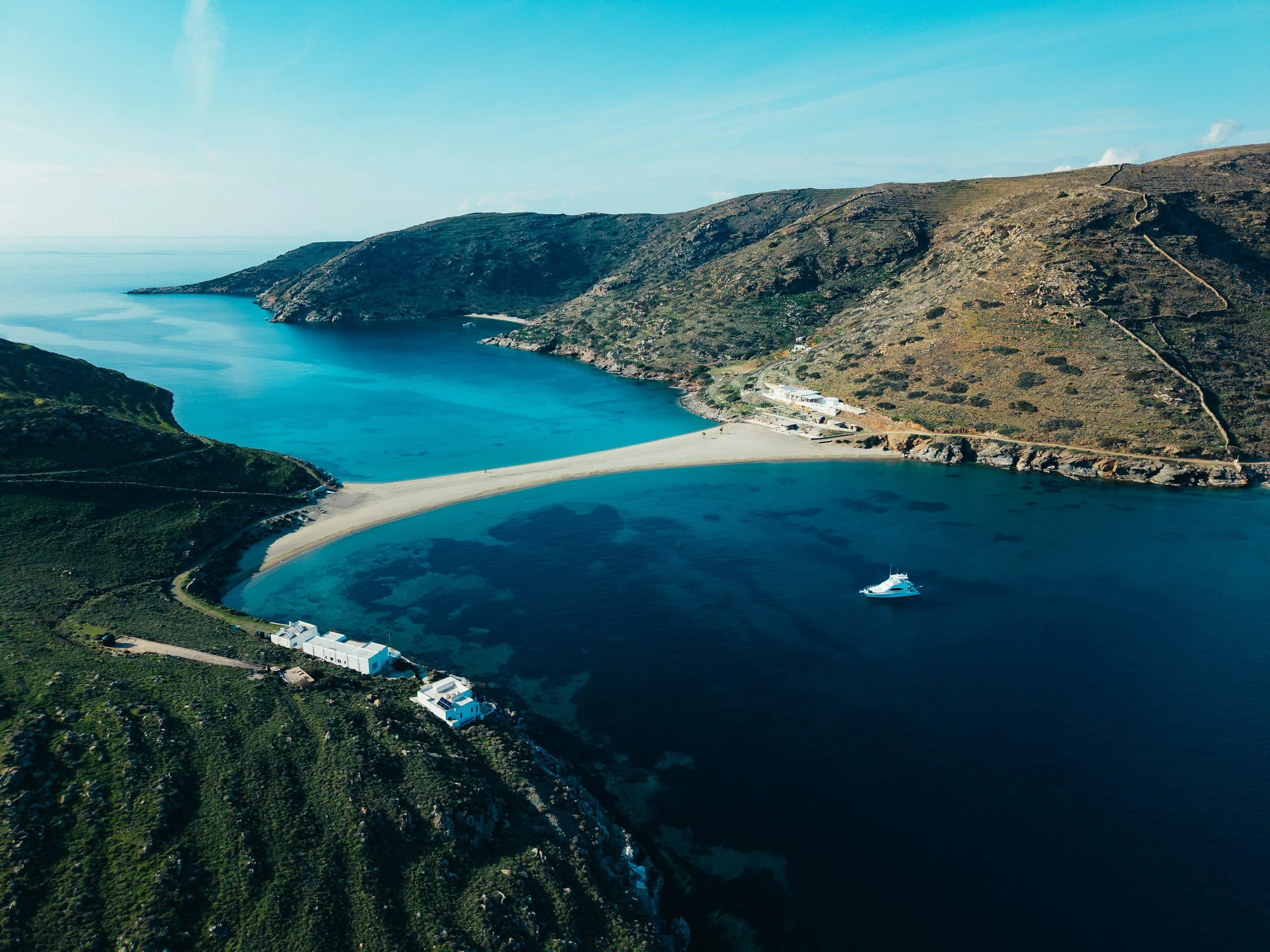
Leaving Lavrion behind, set sail for Kithnos and the small coastal settlement of Loutra. This is a rewarding first passage into the Cyclades, with the landscape gradually changing from the Attic coastline to the dry hillsides and rocky headlands typical of the Aegean islands. Once clear of the mainland, there is plenty of open water to enjoy, so settle into the rhythm of the journey and make the most of the time on deck. Depending on the conditions and departure time, you should have a reasonable part of the afternoon to explore once you arrive.
Loutra is best known for its natural thermal springs, which have attracted visitors for centuries. Warm mineral water flows down towards the shoreline, where it meets the cooler sea, creating a natural bathing spot beside the beach. The springs were once visited by King Otto and Queen Amalia, and the village still has traces of its former reputation as a fashionable spa destination. The historic hydrotherapy centre, housed in a handsome neoclassical building, continues to operate seasonally, offering a rather different way to relax after a day under sail.
The settlement itself is small and easy to explore on foot. A waterfront promenade runs alongside the bay, with a handful of cafés and tavernas where you can sit and watch the boats coming and going. The surrounding hills provide a lovely backdrop, while the beach and thermal bathing area are just a short walk from the waterfront. For dinner, choose one of the local tavernas and look out for traditional Kythnian dishes, including sfougates, small fried cheese pastries that are a local speciality.
Loutra has a small marina, making it a convenient place to spend the first night, although berthing should be checked in advance and assessed against the prevailing wind. It is a particularly distinctive first stop, offering a more traditional introduction to the Cyclades before the busier island towns later in the week.
DAY 2: Loutra to Paros (41nm)
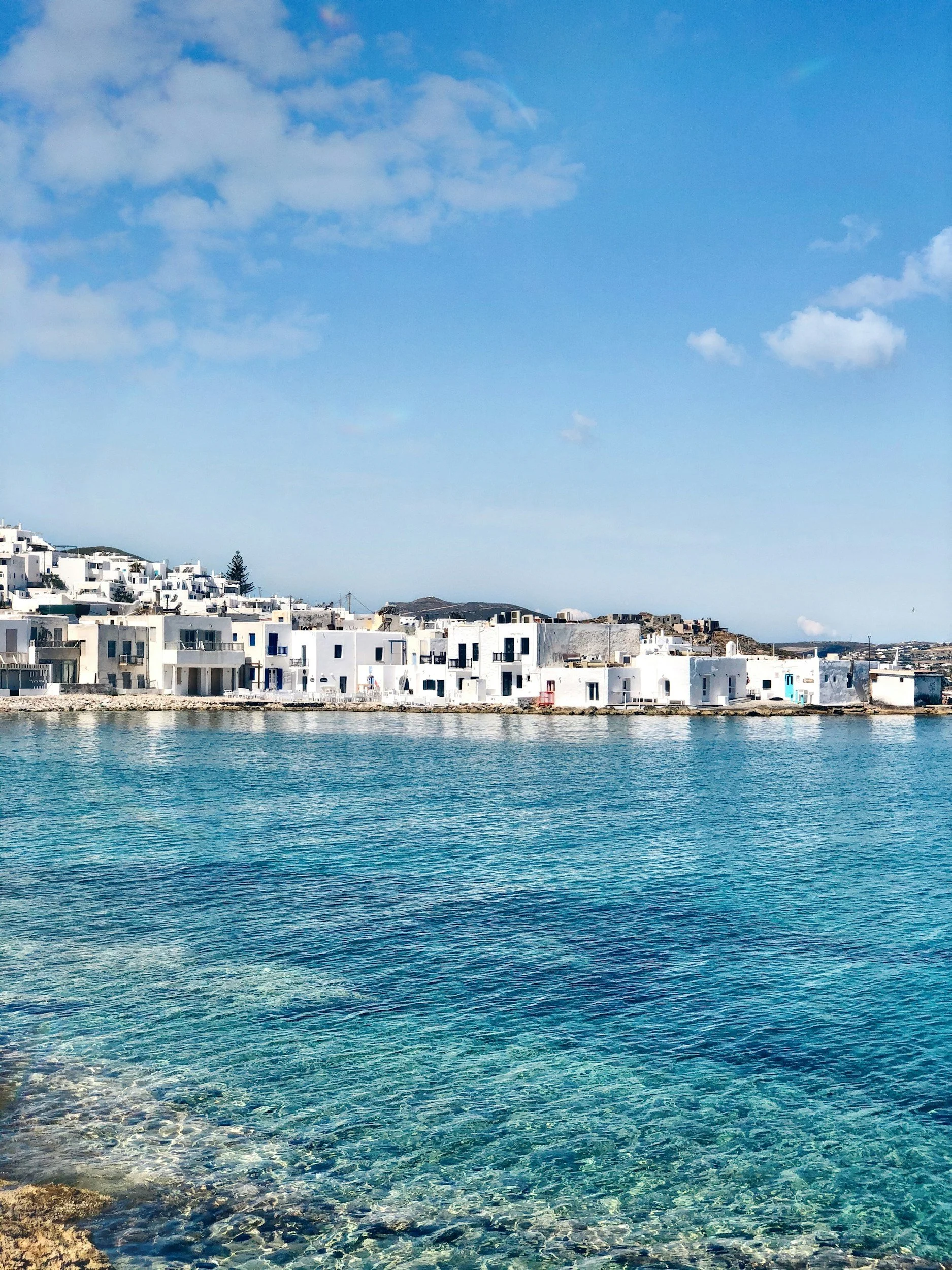
An early departure is worthwhile for the longer passage to Paros. This is a substantial stretch of open-water sailing, taking you further into the heart of the Cyclades, so plan to enjoy breakfast on board and lunch underway. The island gradually comes into view as you approach Parikia Bay, where the main port is set within a broad natural harbour. Allow time for the approach, as this is a busy ferry port as well as a popular arrival point for visiting yachts.
Parikia has a character that is easy to appreciate once ashore. The waterfront is lined with cafés, restaurants and shops, while the old town stretches inland through a maze of narrow lanes and whitewashed buildings. The distinctive windmill near the harbour is one of the town's familiar landmarks, and the streets behind the waterfront are full of small boutiques, traditional bakeries and quiet courtyards. It is a pleasant place to wander without needing to plan a particular route, with plenty of opportunities to stop for a drink or browse the local shops.
One of Paros's most important sights is the Church of Panagia Ekatontapiliani, also known as the Church of a Hundred Doors. Dating back to the early Christian period, it is one of the most significant religious monuments in Greece and is only a short walk from the harbour. The adjoining museum provides further insight into the history of the complex, while the surrounding streets offer a glimpse of the island's long-established traditions.
Parikia has a good choice of restaurants, from relaxed waterfront tavernas to more contemporary dining tucked away in the old town. Local specialities include fresh seafood, grilled octopus and cheeses produced on the island. After a long passage, there is little need to venture far: the harbourfront and old town provide everything needed for an enjoyable evening. Visiting yachts should arrange their berth through the local port authority, and keep clear of ferry manoeuvring areas when entering and leaving the bay.
DAY 3: Paros to Naxos (21nm)
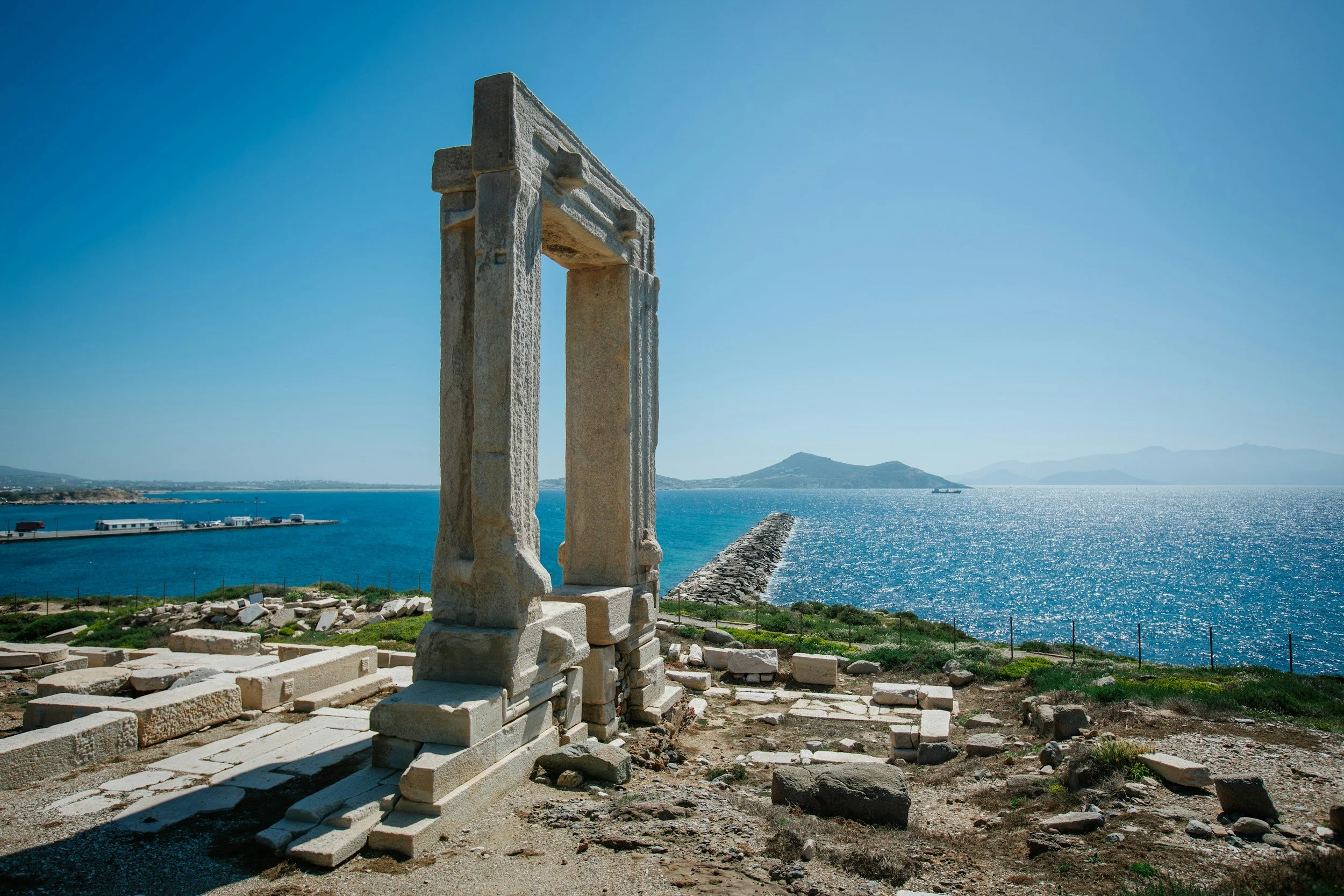
If time and conditions allow, today's passage takes you to neighbouring Naxos, the largest of the Cyclades. The islands are separated by a relatively short stretch of water, although the channel between them can funnel and strengthen the prevailing summer winds. With a little more time available than yesterday, there is scope for a relaxed departure and perhaps a swim before making your way towards Naxos Town, also known as Chora. The approach is particularly memorable, with the Portara standing prominently on the small islet of Palatia beside the harbour entrance.
The Portara is the monumental marble gateway of an unfinished sixth-century temple dedicated to Apollo. It is one of the most recognisable sights in the Cyclades and a striking first impression of the island. Once settled, head ashore to explore Chora, where the waterfront gives way to a network of narrow streets and stepped lanes. The medieval Kastro, built by the Venetian ruler Marco Sanudo in the 13th century, forms the heart of the old town, with historic mansions, old towers and a Catholic cathedral gathered within its walls.
Beyond the Kastro, the lower neighbourhoods are full of shops, cafés and restaurants, making Chora a lively place to spend an afternoon. The Archaeological Museum and the historic buildings around the old town are worth exploring if you have an interest in the island's past. Alternatively, take a stroll along the waterfront before following the causeway out towards the Portara. It is especially popular around sunset, when the gateway frames the changing light over the Aegean.
Naxos is also known for its excellent local produce, with fertile farmland supporting the cultivation of potatoes, olives, fruit and grapes. The island's cheeses are particularly well regarded, and local tavernas make good use of these ingredients alongside freshly caught fish and seafood. There is plenty of choice close to the harbour, from traditional family-run restaurants to more contemporary dining. For visiting yachts, the town's pleasure-boat berths are within easy reach of the old town, although the harbour can be busy and conditions in the channel should be considered when planning the passage.
If the forecast is for stronger winds it may be advisable to continue straight to Mykonos to allow a spare day waiting for more manageable conditions.
DAY 4: Naxos to Mykonos (23nm)
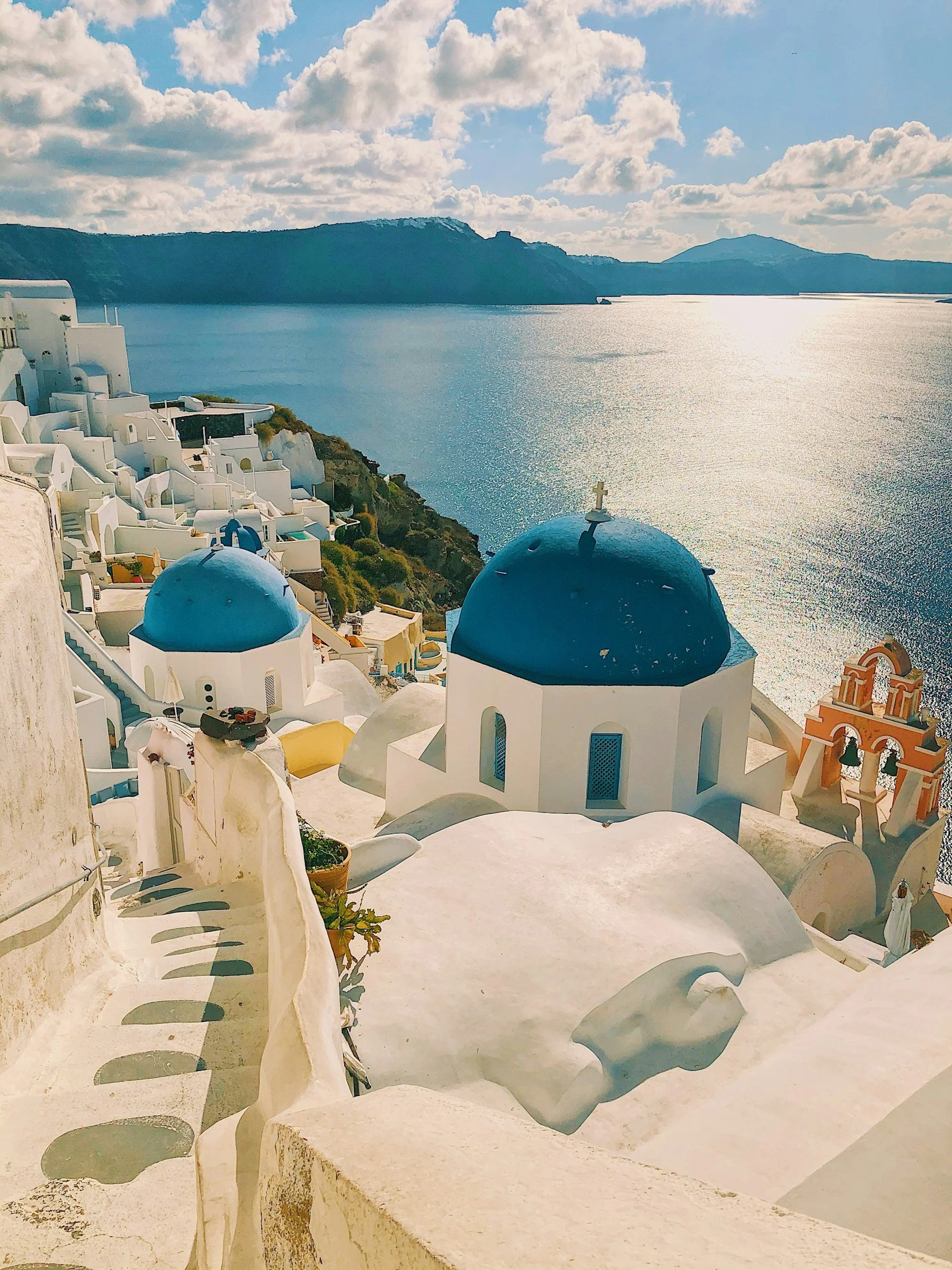
Today's sail brings you to Mykonos, one of Greece's best-known islands and a destination with a very different atmosphere from the quieter villages visited so far. The passage is relatively short, leaving time to enjoy the morning at sea before arriving at the island. Mykonos is renowned for its cosmopolitan restaurants, beach clubs and nightlife, but there is more to it than its reputation suggests. Its traditional architecture, small churches and picturesque streets make it an interesting place to explore, even if you prefer a quieter afternoon away from the busiest spots.
Mykonos Town, or Chora, is the island's main attraction. Its whitewashed buildings, colourful balconies and narrow lanes create a distinctive Cycladic setting, with boutiques, galleries and small churches tucked between the houses. Little Venice is particularly picturesque, with old waterfront buildings sitting close to the water's edge, while the famous windmills stand on the hillside above the town. It is worth taking time to explore beyond the main shopping streets, where quieter corners and traditional squares offer a different perspective on the island.
There is no shortage of options for the evening. Mykonos has an excellent dining scene, ranging from traditional Greek tavernas to high-end restaurants and stylish waterfront bars. Those looking for a livelier evening will find plenty of places to continue after dinner, while quieter alternatives can be found in the smaller streets away from the main waterfront. If you have more time ashore, the island also has a number of attractive beaches, including Agios Stefanos close to the yacht harbour and Ornos further along the coast.
An important point for the skipper is that sailing yachts cannot berth in the Old Port in Chora. Visiting sailing yachts under 25 metres must use the New Port at Tourlos, a short distance from the town, and berthing requests are handled through the municipal port authority's online reservation system, arrangements should be made well ahead of arrival. Once ashore, taxis and buses provide connections into Mykonos Town.
DAY 5: Mykonos to Ermoupoli, Syros (19nm)
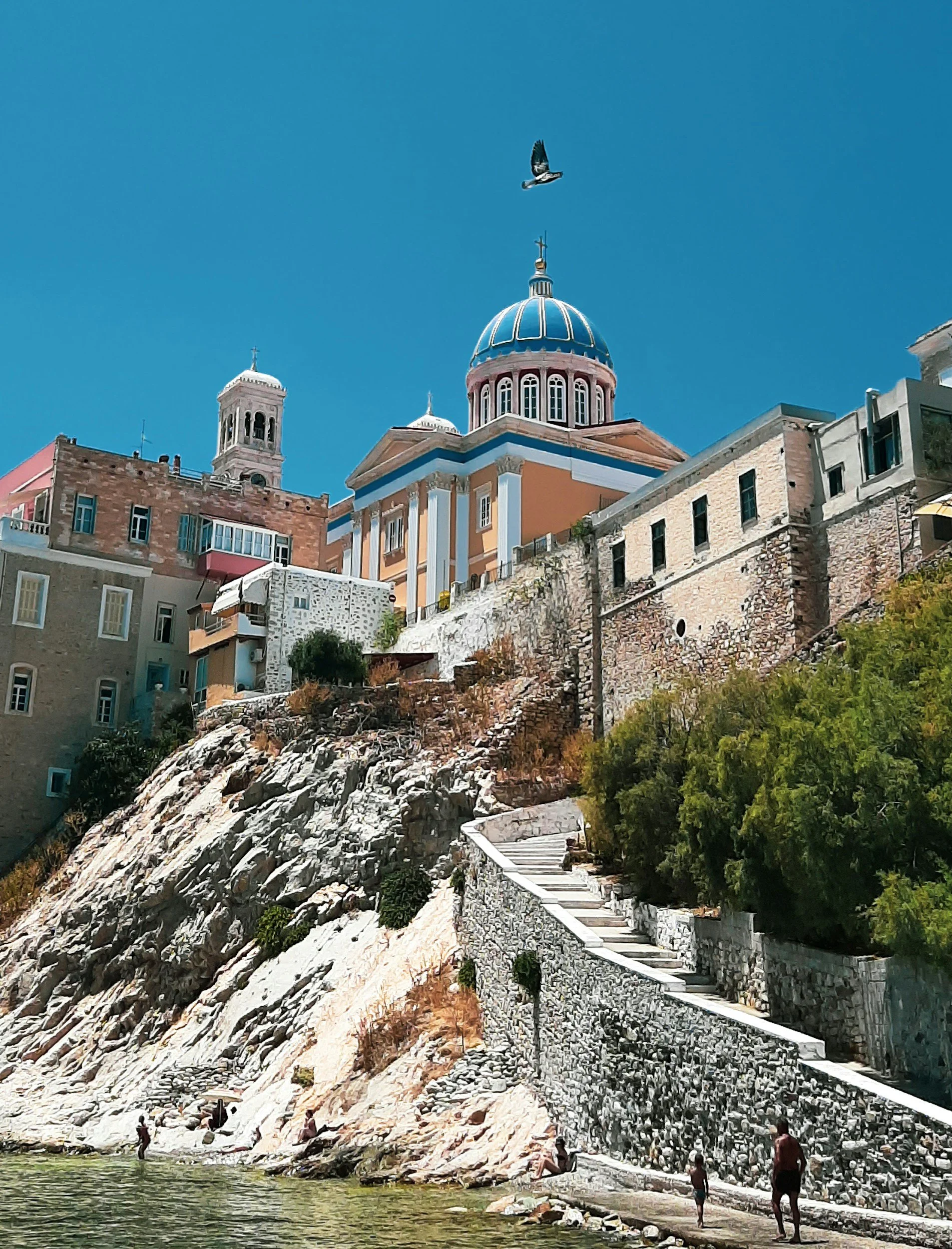
Leaving the energy of Mykonos behind, sail to Syros, an island with a very different character. Its capital, Ermoupoli, is one of the most impressive harbour towns in the Cyclades, with grand neoclassical buildings, elegant squares and a waterfront that reflects the island's important maritime and commercial history. The passage is relatively short, giving you time to enjoy the morning at sea before arriving in the large natural harbour. As you approach, the town rises in layers above the waterfront, with its distinctive buildings and church domes creating an impressive view from the water.
Ermoupoli is a pleasure to explore on foot. The harbourfront is lined with cafés and restaurants, while the streets behind it reveal handsome mansions, ornate churches and impressive public buildings. Miaouli Square is the natural focal point, overlooked by the imposing Town Hall designed by Ernst Ziller. The square is a good place to pause for a coffee and take in the architecture, with the surrounding streets offering independent shops and traditional bakeries. The nearby Apollo Theatre is another highlight, modelled on Italian opera houses and often referred to as a miniature version of La Scala in Milan.
For a different perspective, make your way uphill towards Ano Syros, the historic settlement above the main town. Its narrow lanes wind between traditional houses, small churches and old stone buildings, eventually opening out to views across Ermoupoli and the harbour. The Catholic Cathedral of Saint George stands at the top of the settlement and is one of its most recognisable landmarks. The walk involves some steep sections, but it offers a rewarding contrast to the grander architecture down by the waterfront.
Syros is also known for its food, particularly its loukoumi, a traditional sweet similar to Turkish delight, and its local cheeses and cured meats. There are plenty of places to enjoy dinner around the harbour and in the streets leading up towards the main squares. Ermoupoli feels more like a small historic city than a typical island resort, and its lively local atmosphere makes it one of the most distinctive stops on the itinerary.
DAY 6: Siros to Vourkari, Kéa (38nm)
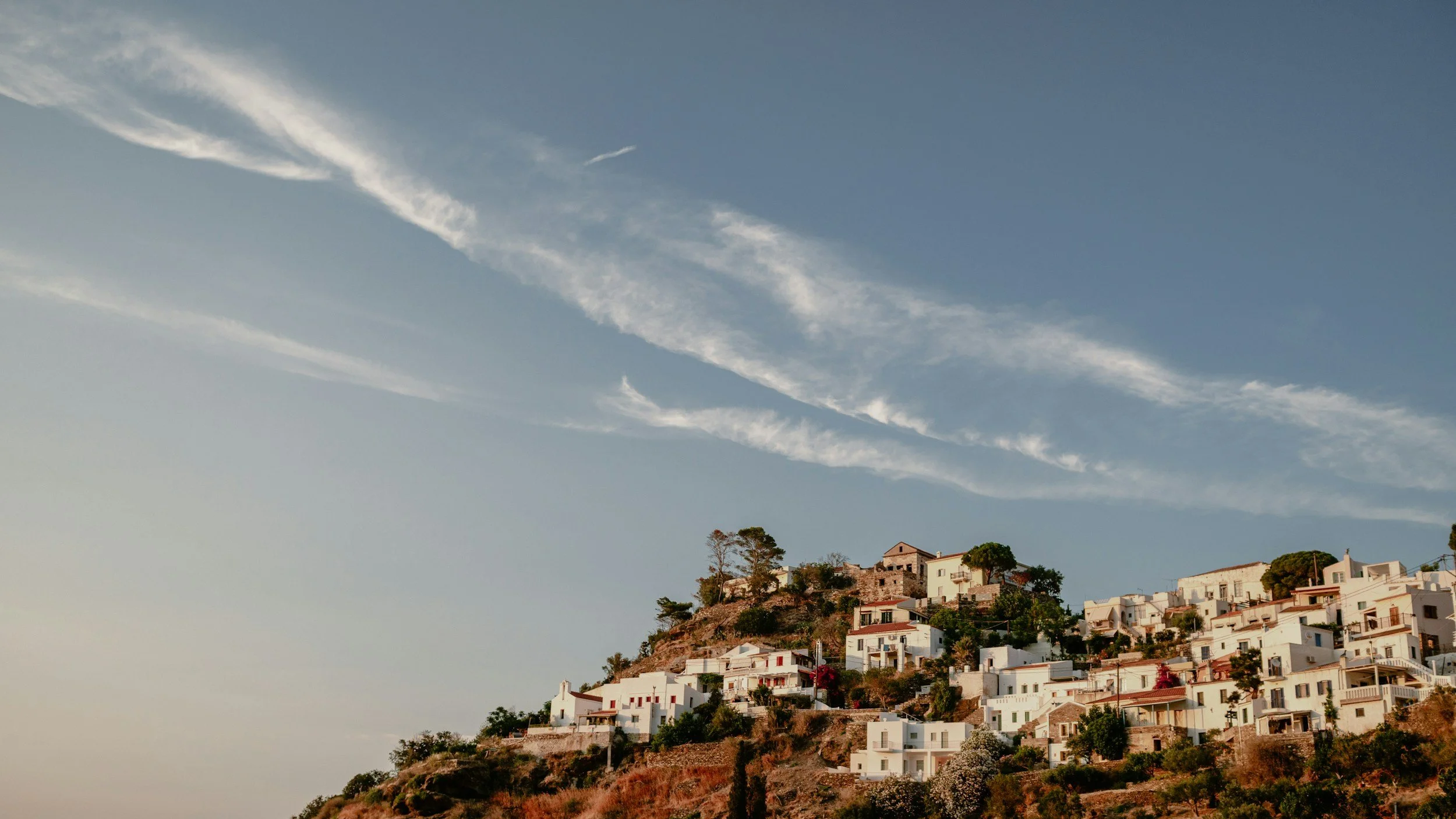
An early departure is recommended for the longer passage to Kéa, giving you plenty of time to make the crossing and arrive in daylight. Breakfast can be enjoyed underway, with lunch on board as you make your way across the Aegean. Kéa is one of the quieter islands in the Cyclades, known for its rugged scenery, traditional villages and a more understated atmosphere than some of the better-known destinations on this route. As you approach the island, the sheltered bay of Agios Nikolaos provides a striking natural setting for the final night before returning to Lavrion.
Vourkari is a small harbour village set around the bay, with a reputation as one of the island's favourite stops for visiting yachts. The waterfront is lined with cafés, galleries, shops and tavernas, giving it a relaxed but welcoming atmosphere. Once settled, take a stroll along the quay and enjoy a drink overlooking the boats. The village is particularly pleasant in the evening, when the waterfront restaurants begin to fill and the pace of life slows. Fresh fish and local seafood are among the highlights, with several good options close to the harbour.
If you have time and would like to explore further, the island's capital, Ioulida, is well worth a visit. Set inland on a hillside, it is a beautiful traditional village of stone-paved lanes, whitewashed houses and small squares. The Lion of Kéa, an archaic sculpture carved into the rock, is one of the island's most unusual landmarks and can be reached on foot from the village. The views across the surrounding countryside are particularly attractive, with the island's rugged landscape stretching towards the sea.
Closer to Vourkari, the prehistoric settlement of Agia Irini lies on a headland overlooking the bay. It was once an important Bronze Age settlement, and archaeological excavations have revealed evidence of a long-established community with links to other parts of the Aegean. Visits to the site are by appointment, so it is worth checking access before making plans. Alternatively, simply enjoy the waterfront and the relaxed atmosphere of Vourkari before the final passage back to the mainland.
DAY 7: Kéa to Lavrion (16nm)
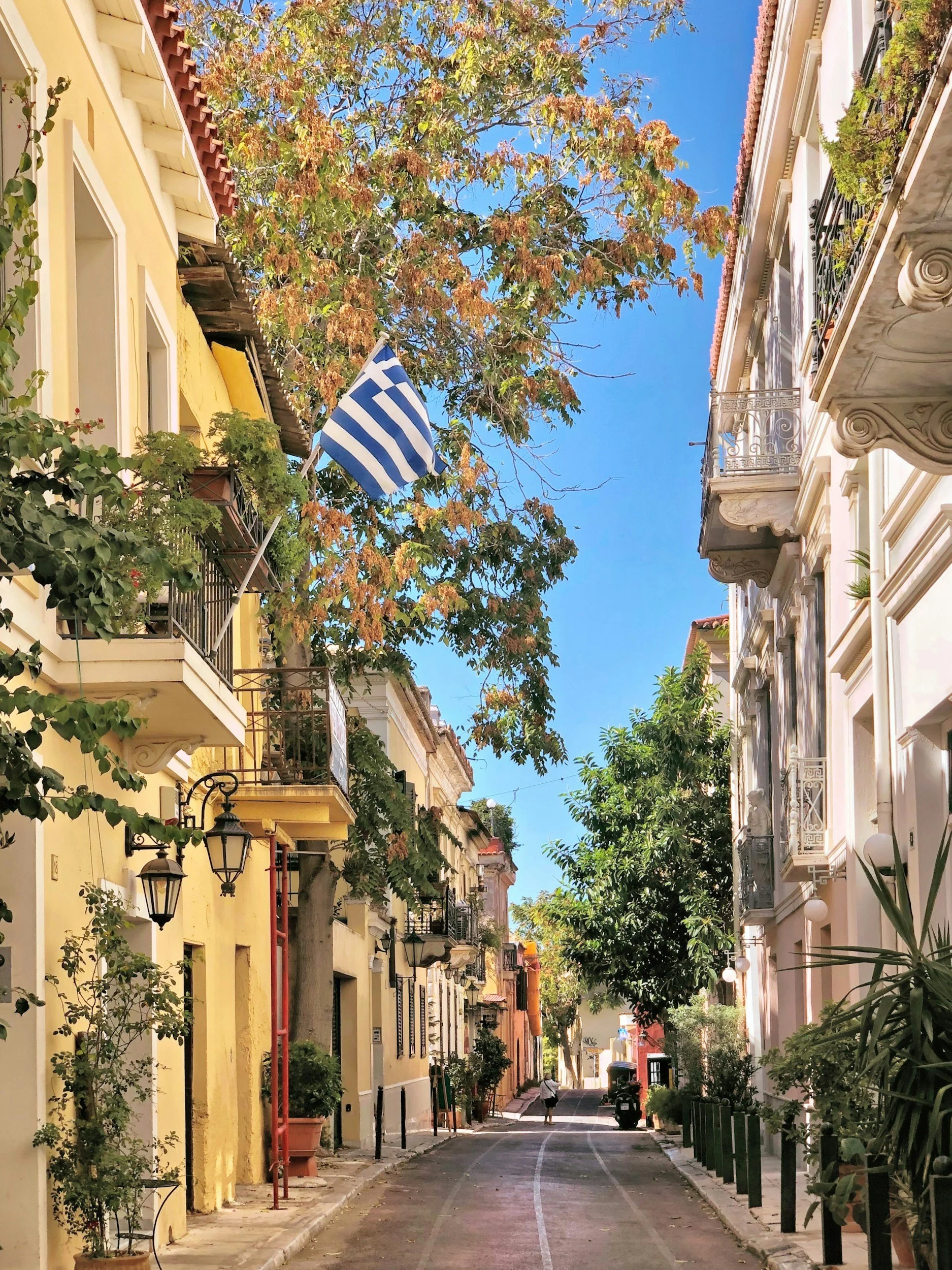
The final passage is a relatively short sail back to Lavrion, bringing the itinerary full circle. There is time for a leisurely breakfast and perhaps a final swim in the bay before setting off, although the departure should be planned around the charter base's return and check-out arrangements. The crossing back towards the mainland is a fitting end to a week spent exploring the Cyclades, with the island scenery gradually giving way to the Attic coastline.
If your schedule and the conditions allow, there is the option to make a stop near Cape Sounion on the way back. The Temple of Poseidon stands dramatically above the sea on the headland and is one of the most recognisable ancient sites in Greece. Built in the fifth century BC, the temple has long been an important landmark for sailors approaching the Attic coast. It is particularly impressive when viewed from the water, and a visit ashore can be worthwhile if there is sufficient time before returning the yacht.
The nearby coastline also offers opportunities for a final swim, with several attractive coves and beaches around the headland. However, the priority should be a timely return to Lavrion, particularly if the yacht needs to be refuelled and handed back on schedule. Once back in port, there is time to complete the usual return formalities and enjoy a final meal ashore if your charter arrangements allow.
From the thermal springs of Kythnos and the historic streets of Parikia to the lively atmosphere of Mykonos and the elegant harbourfront of Ermoupoli, this itinerary offers a varied introduction to the Cyclades. The quieter final stop at Vourkari provides a welcome contrast before the short sail back to Lavrion, rounding off a week that combines island culture, memorable anchorages and some rewarding Aegean sailing.