
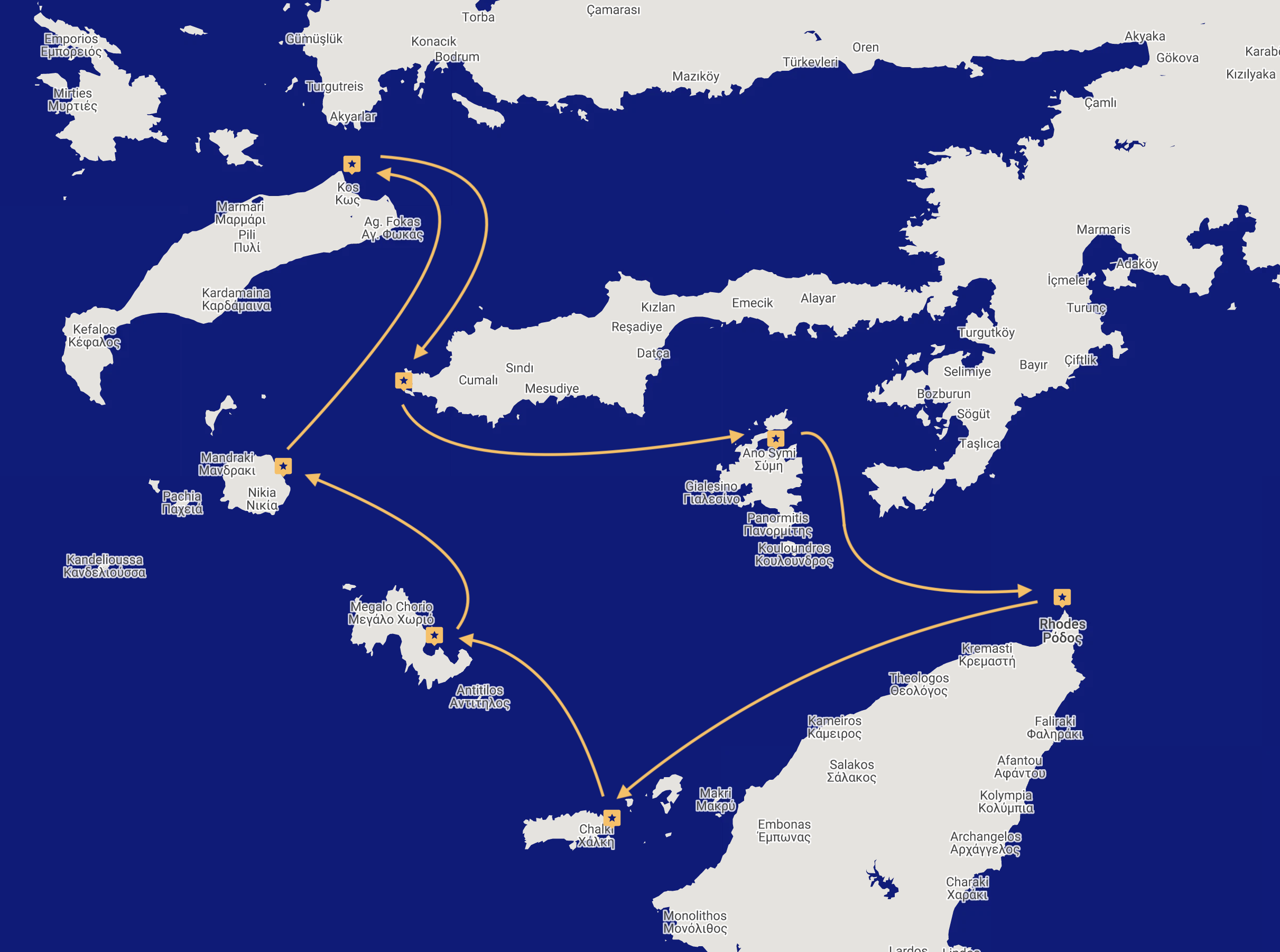
7 Day Sailing Itinerary: Rhodes & the Dodecanese
DAY 1: Rhodes to Chalki (33nm)
Begin your sailing adventure towards Chalki, one of the quieter and less developed islands in the Dodecanese. Today's passage is a fairly substantial one, so an early departure is recommended to make the most of the day. Enjoy breakfast on board before setting off, with lunch taken underway as you make your way across the Aegean towards this charming little island.
Chalki is a welcome contrast to the larger and busier islands, with a single picturesque harbour village, traditional architecture and a wonderfully relaxed atmosphere. Nimporio, the island's main settlement, is built around a natural harbour, where pastel-coloured neoclassical houses line the waterfront and fishing boats sit alongside visiting yachts. Once the yacht is settled, head ashore to explore the village and enjoy a drink at one of the waterfront cafés.
The village is small enough to explore on foot, with narrow streets, attractive stone buildings and a handful of traditional shops and tavernas. Look out for the old stone bell tower and the Church of Agios Nikolaos, with its distinctive pebble courtyard. Chalki has a long maritime history, and its handsome harbour buildings reflect a period when sponge diving and seafaring played an important role in the island's prosperity.
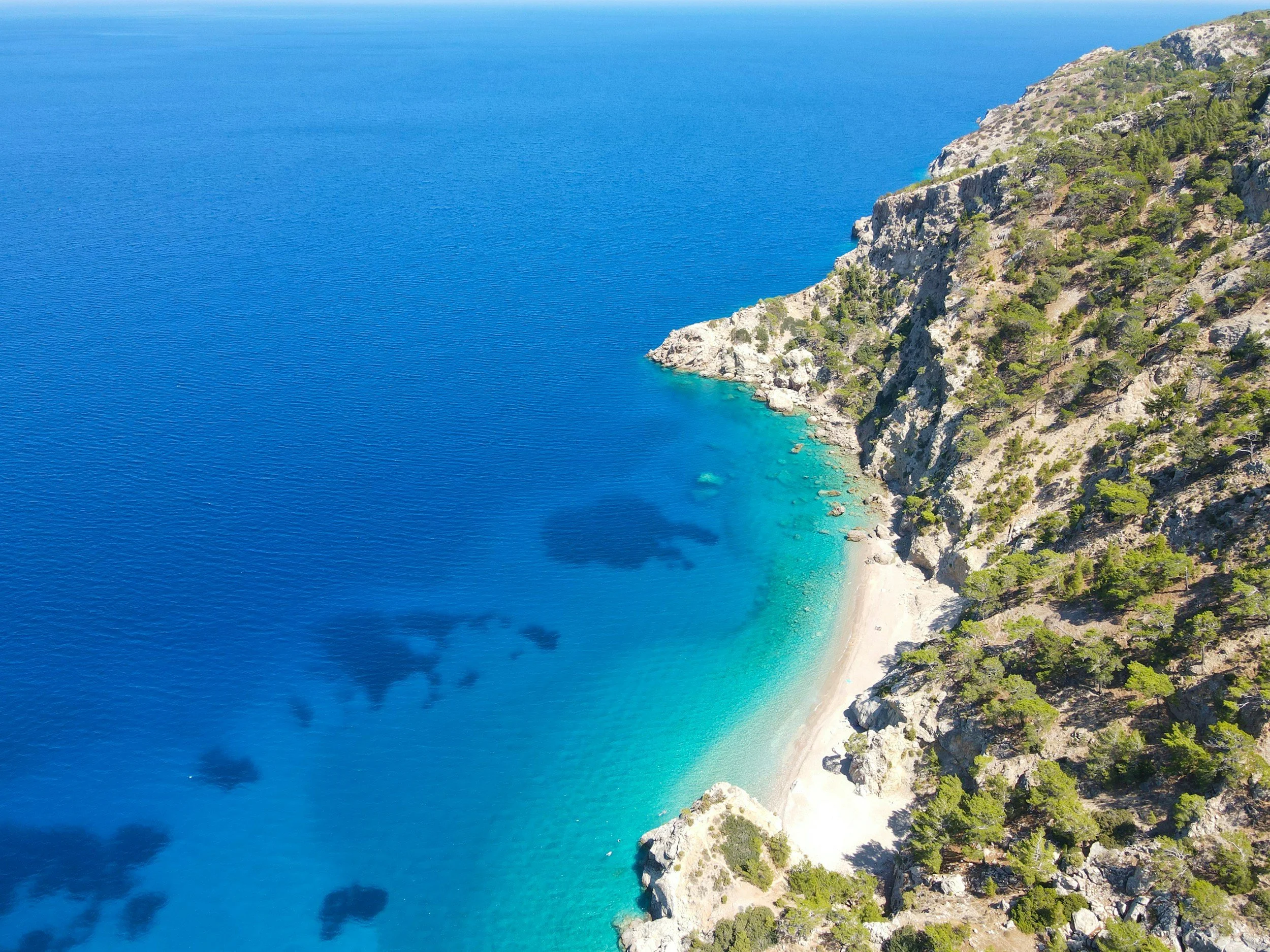
If time allows, take a walk along the waterfront or arrange a short trip to one of the island's beaches. Pondamos Beach is an easy walk from Nimporio, with clear water and a sandy shoreline that makes it a pleasant place for a swim. After a longer first passage, however, there is plenty to be said for keeping the afternoon relaxed. Enjoy dinner at a traditional taverna overlooking the harbour and settle into the slower pace of island life.
DAY 2: Chalki to Tilos (18nm)
Enjoy a leisurely breakfast before leaving Chalki and setting sail for Tilos. Today's passage is a manageable one, giving you time to enjoy the surrounding waters and perhaps stop for a swim along the way if conditions allow. Tilos is known for its unspoilt landscape, quiet beaches and traditional villages, offering another taste of the more peaceful side of the Dodecanese.
The main harbour is Livadia, a welcoming coastal settlement set around a broad bay. Once moored, head ashore to explore the waterfront, where tavernas, cafés and small shops line the promenade. The atmosphere is relaxed, with a mixture of traditional Greek architecture and a few modest holiday businesses. It is an easy place to spend an afternoon, whether you prefer a long lunch by the water or a swim at the nearby beach.
For a change of scene, consider visiting Megalo Chorio, the island's historic capital, which sits on a hillside above the coast. Its narrow lanes and traditional houses lead towards the remains of a medieval castle, with impressive views across the surrounding landscape. The village has retained much of its original character and is a lovely place to wander, particularly in the late afternoon when the light softens.
Tilos also has an interesting natural history. Harkadio Cave, near the village of Megalo Chorio, is known for the discovery of fossilised remains of dwarf elephants that once inhabited the island. The small archaeological and palaeontological museum in the village provides further insight into these finds and the island's past. Return to Livadia for the evening and enjoy dinner at one of the waterfront restaurants, where fresh fish and traditional island dishes are often on the menu.
DAY 3: Tilos to Nisyros (15nm)
Today's passage takes you to Nisyros, one of the most distinctive islands in the Dodecanese. The journey is relatively short, allowing for a relaxed start and time to enjoy the scenery as the island's volcanic landscape comes into view. Nisyros has a character all of its own, with dark volcanic rock, traditional whitewashed villages and a remarkable active caldera at its centre.
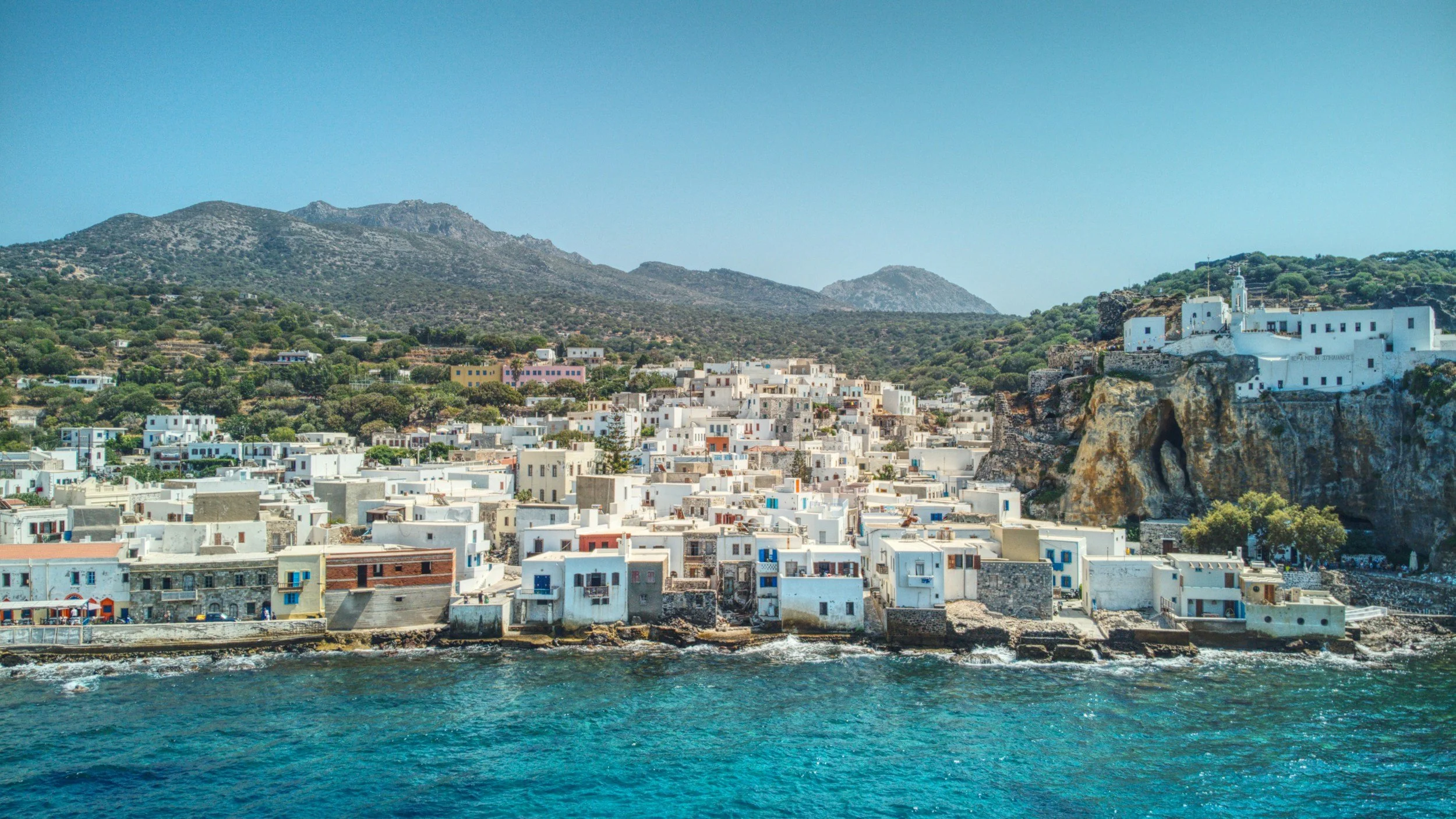
The main port is Mandraki, an attractive settlement with narrow streets, white houses and small squares decorated with flowers and pebble mosaics. Once the yacht is settled, take a walk through the village and explore its traditional shops, cafés and waterfront tavernas. The Monastery of Panagia Spiliani is one of the island's most recognisable landmarks, perched on a rocky outcrop above Mandraki and reached by a flight of steps. The views across the harbour and surrounding coastline make the climb worthwhile.
The main attraction on Nisyros is its volcanic caldera, where visitors can explore the remarkable landscape of steaming vents and mineral-rich ground. Stefanos Crater is the best-known, with a large crater floor that can be reached by road from Mandraki. Walking down into the crater is an unusual experience, with the smell of sulphur and the sound of escaping steam creating a vivid impression of the island's volcanic activity. Access can be affected by safety restrictions and conditions, so check local guidance before visiting.
If you have time, make a stop in the traditional village of Nikia, which sits high above the caldera. Its attractive central square, Porta, is particularly beautiful, with pebble mosaics and traditional houses overlooking the volcanic landscape. A visit here provides a different perspective on the island and is well worth combining with the crater excursion. Return to Mandraki for the evening and enjoy a relaxed dinner ashore, with plenty of local dishes to choose from.
DAY 4: Nisyros to Kos (23nm)
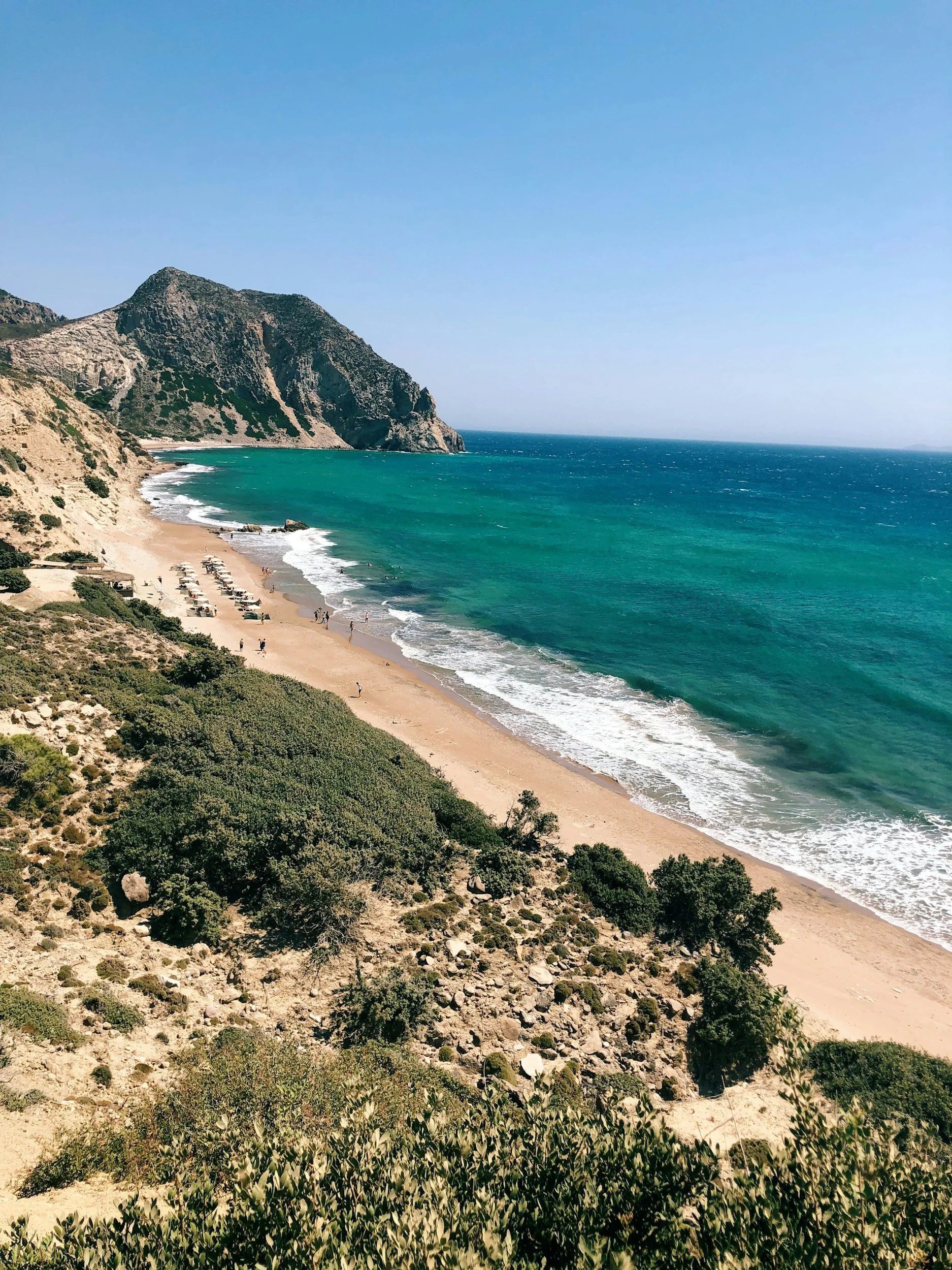
Leave Nisyros after breakfast and set sail for Kos, one of the best-known islands in the Dodecanese. Today's passage is a pleasant stretch of sailing, with time to enjoy the morning on board and perhaps take a swim before arriving. Kos has a livelier and more developed feel than the smaller islands visited so far, combining a busy harbour town with an impressive collection of archaeological sites and a long history dating back to ancient Greece.
Kos Town is an attractive place to explore, with a waterfront lined with cafés and restaurants and a historic centre full of traditional streets and open squares. Once moored, head ashore to visit Neratzia Castle, a substantial medieval fortress built by the Knights of St John beside the harbour. Nearby, the famous Plane Tree of Hippocrates is traditionally associated with the ancient physician, while the surrounding archaeological area contains remains from the island's Greek and Roman periods.
The Archaeological Museum and Casa Romana are both worth visiting if you are interested in the island's history. Casa Romana is a restored Roman villa, with courtyards, mosaics and decorative features that offer a glimpse into life on Kos during the Roman period. The ancient Agora, close to the harbour, is another interesting site, with the remains of temples, columns and public buildings scattered through the town.
For a longer excursion, visit the Asklepieion, one of the most important ancient healing centres in the Greek world. Set on a hillside outside Kos Town, the extensive archaeological site has several levels of ruins and offers lovely views across the surrounding countryside. Allow a couple of hours for the visit and arrange transport from the harbour. Back in town, enjoy dinner at one of the many waterfront restaurants before preparing for the next stage of the journey.
DAY 5: Kos to Knidos (16nm)
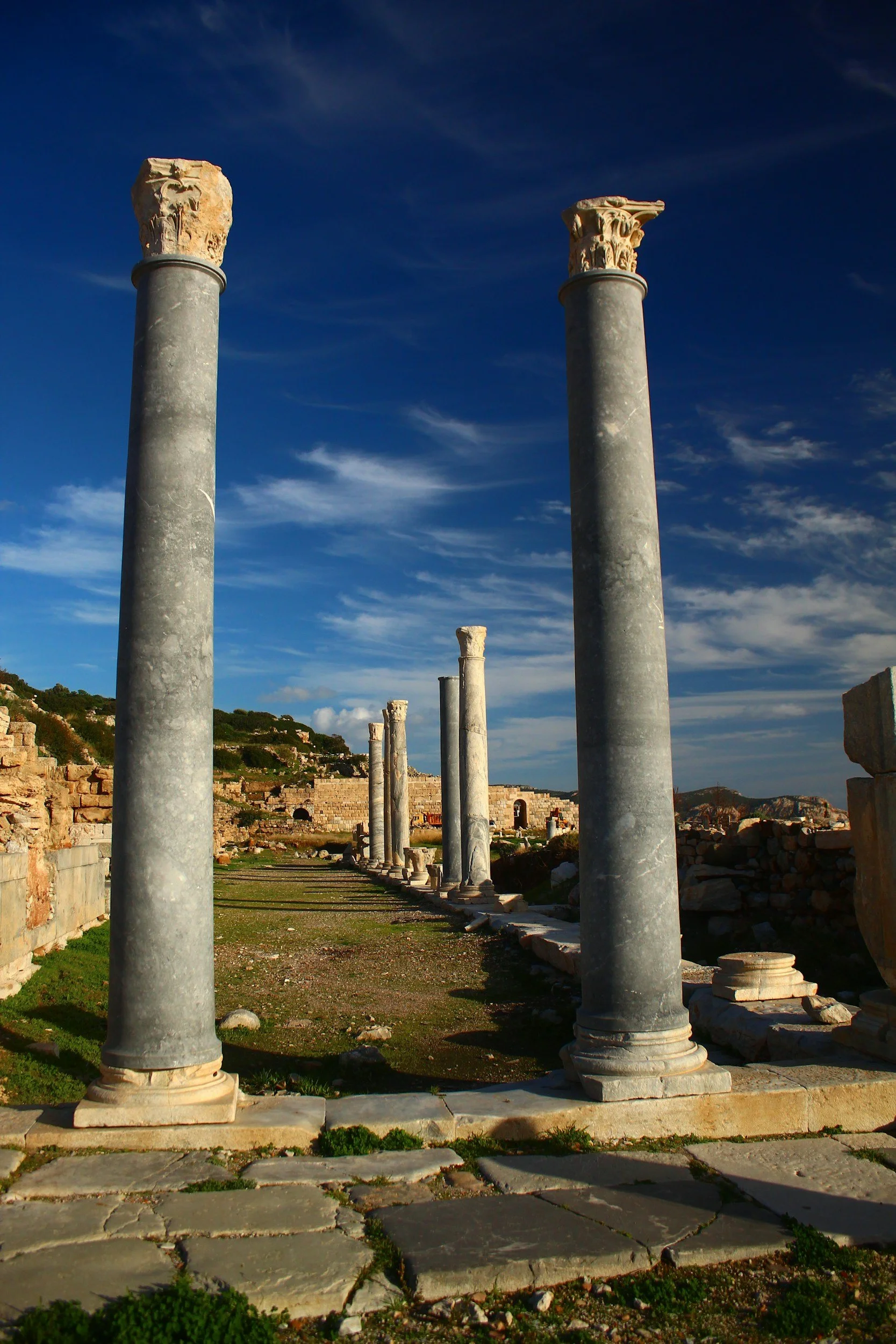
Today takes you across to the Turkish coast, where the ancient city of Knidos provides a fascinating change of scenery and a glimpse into the region's maritime past. The passage from Kos is relatively short, but it is important to allow time for the necessary international border formalities before continuing to Knidos. These arrangements should be coordinated with the skipper and charter operator in advance, as yachts must use designated ports of entry and exit when crossing between Greece and Türkiye.
Knidos occupies a striking position at the tip of the Datça Peninsula, where the remains of an important ancient Greek city stretch across a rugged headland between two natural harbours. Once a prosperous centre of trade, culture and maritime activity, the city was particularly renowned for its schools of medicine and philosophy, as well as its impressive Temple of Aphrodite. Today, its archaeological remains are scattered across the hillside, creating one of the most atmospheric historic sites in the region.
Once the yacht is settled, head ashore to explore the ruins. The ancient theatres are among the most recognisable features, while the remains of temples, terraces, columns and public buildings give an impression of the scale of the former city. Walking between the archaeological areas also provides wonderful views across the surrounding coastline and the two harbours. It is worth allowing plenty of time to explore, as the site covers a substantial area and there is much more to discover than first meets the eye.
Knidos is a particularly memorable stop for those interested in history, but its appeal is not limited to the ruins. The setting is beautiful, with clear water, rugged hillsides and a sense of isolation that feels quite different from the busier Greek islands. Facilities are limited compared with a conventional marina, so plan provisions and overnight arrangements with the skipper in advance. Enjoy a quiet evening on board or at the local restaurant, depending on what is available during your visit.
DAY 6: Knidos to Symi (31nm)
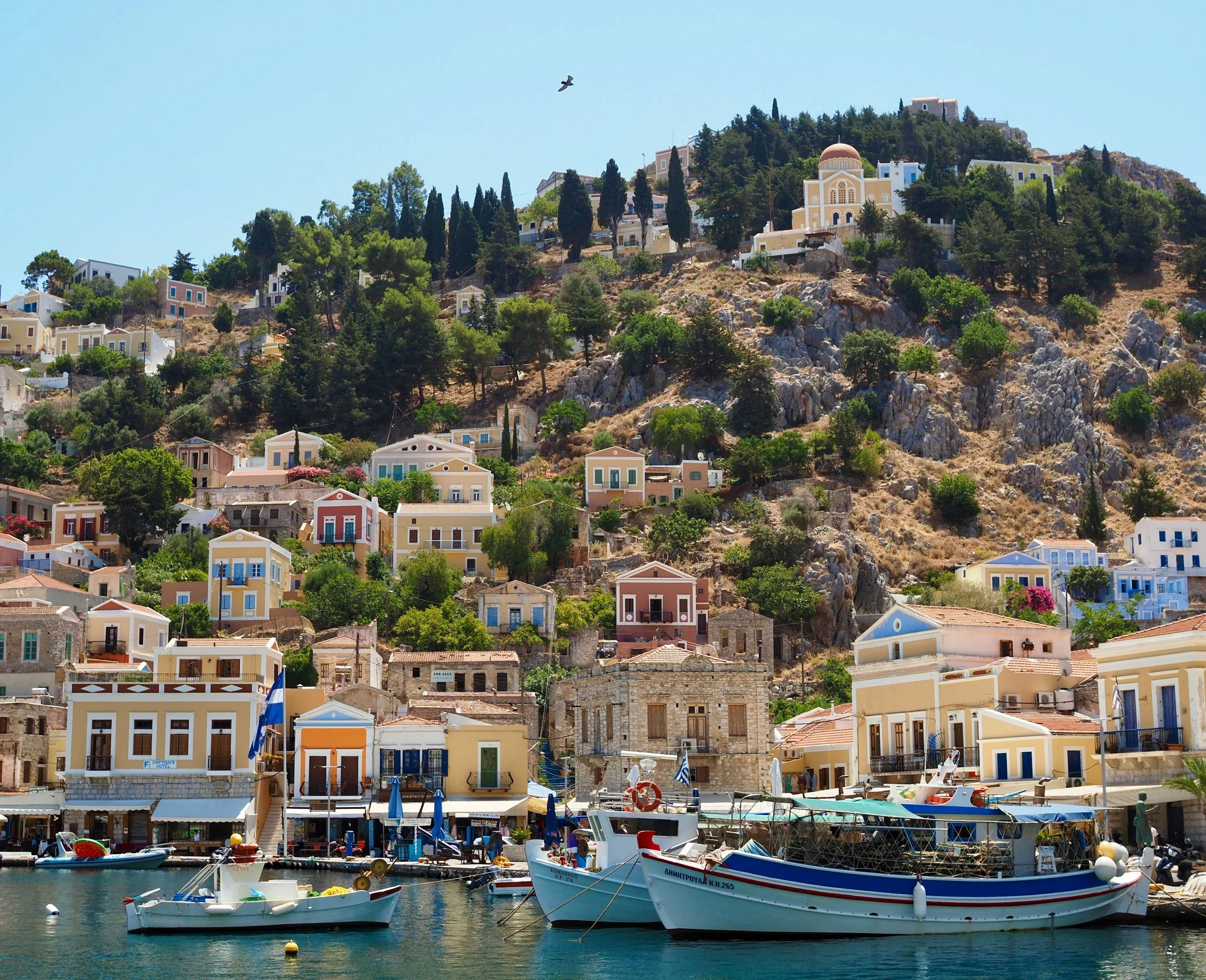
After breakfast, leave Knidos and begin the passage back towards Greece, making for the beautiful island of Symi. This is another substantial sailing day, so an early departure is recommended, with lunch taken underway and enough time allowed for the international clearance arrangements on arrival. As you approach Symi, its distinctive harbour architecture creates one of the most memorable arrivals in the Dodecanese.
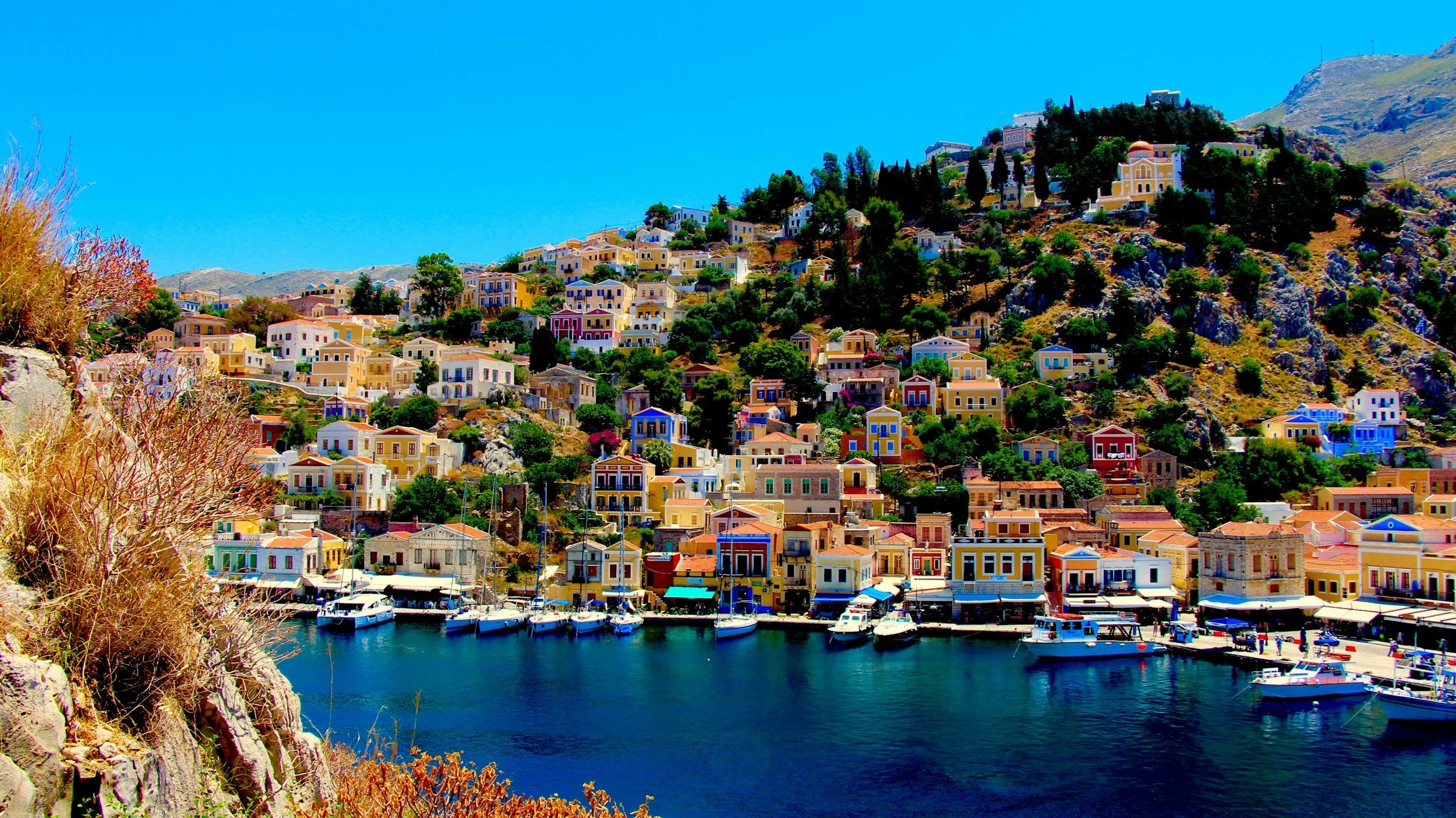
Symi Town, also known as Gialos, is famous for its neoclassical mansions, which rise in tiers above the harbour in shades of ochre, pastel blue, pink and terracotta. The waterfront is lined with cafés, restaurants and traditional shops, while fishing boats and visiting yachts give the harbour a lively atmosphere. Once the yacht is settled, take a stroll along the quay and enjoy the view across the colourful buildings, particularly as the afternoon light begins to soften.
For a closer look at the town, climb the Kali Strata, the broad stone staircase connecting the harbour with the upper settlement of Chorio. The route passes traditional houses and small shops, with increasingly impressive views across the harbour as you climb. At the top, you will find quieter streets, historic buildings and the remains of the old castle. It is a worthwhile walk, although the steps can be demanding in the summer heat.
Symi is also known for its religious heritage, and a visit to the Monastery of Panormitis is one of the island's most rewarding excursions. Located in a sheltered bay, the monastery is dedicated to the Archangel Michael and is an important place of pilgrimage. Its impressive bell tower, ornate church and small museums make it well worth visiting, although it is some distance from Gialos and requires a taxi, bus or boat trip. Back in the harbour, enjoy dinner at one of the waterfront tavernas and try the island's famous local shrimp, a speciality often served simply grilled or fried.
DAY 7: Symi to Rhodes (23nm)
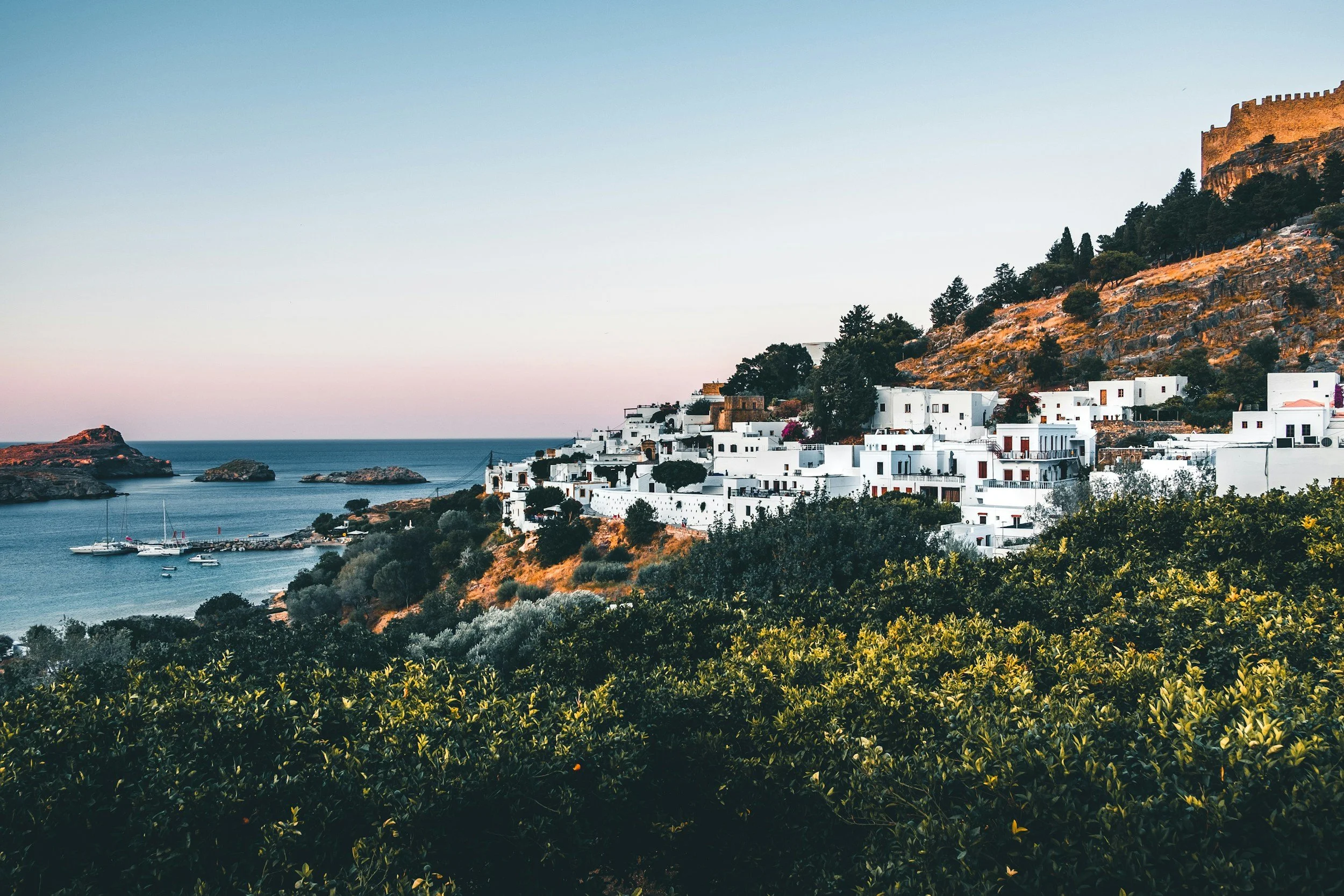
Enjoy a final breakfast on board before leaving Symi and making the passage back to Rhodes. The journey provides a fitting end to your week in the Dodecanese, with time to enjoy the scenery and perhaps take a final swim if the schedule allows. On arrival in Rhodes, return to the marina and complete the yacht's handover arrangements before heading ashore.
Rhodes Town is one of the Mediterranean's most impressive historic destinations, with its medieval Old Town recognised as a UNESCO World Heritage Site. Encircled by substantial stone fortifications, the historic centre is a remarkable collection of cobbled streets, grand buildings and hidden courtyards. The Street of the Knights is one of its best-known landmarks, while the Palace of the Grand Master provides an impressive introduction to the island's history under the Knights of St John.
There is plenty to discover within the Old Town, from the Archaeological Museum, housed in the former Hospital of the Knights, to the many small shops and traditional cafés tucked away in its narrow streets. Take time to explore beyond the main thoroughfares, where quieter squares and historic buildings reveal a more relaxed side of the city. If you prefer to enjoy the waterfront, Mandraki Harbour is also worth a visit, with its historic windmills and the traditional boats moored along the quay.
If your schedule allows, consider extending your stay to visit Lindos, one of the island's most celebrated villages. Its whitewashed houses climb towards the ancient Acropolis, which overlooks a beautiful bay and offers spectacular views across the coastline. Otherwise, spend your final evening in Rhodes Town, enjoying dinner within the Old Town or at a waterfront restaurant. After a week combining traditional island harbours, volcanic landscapes, ancient history and a visit to the Turkish coast, Rhodes makes a memorable place to finish your Dodecanese sailing adventure.